
Kenya agro tours, international agricultural journeys and classic wildlife safaris

Uasin Gishu and Trans Nzoia Agricultural Belt

Farm Region · Kenya

Uasin Gishu and Trans Nzoia Agricultural Belt

The Uasin Gishu and Trans Nzoia belt is one of Kenya’s most important cereal, seed, mechanisation and dairy landscapes. Eldoret and Kitale provide practical bases for exploring commercial and smallholder production systems…

Destination guide

Why visit Uasin Gishu and Trans Nzoia Agricultural Belt?

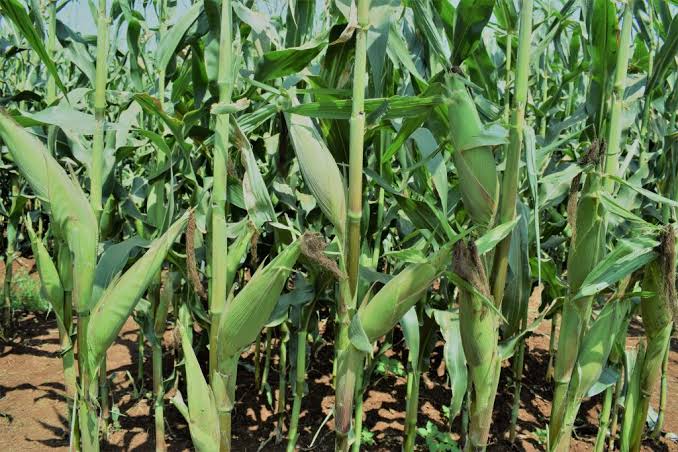
The Uasin Gishu and Trans Nzoia belt is one of Kenya’s most important cereal, seed, mechanisation and dairy landscapes. Eldoret and Kitale provide practical bases for exploring commercial and smallholder production systems across the North Rift. A programme may cover maize and wheat production, land preparation, seed systems, mechanisation, crop nutrition, pest and disease management, harvesting, grain drying, storage, quality control, milling, dairy production, cooperatives and agricultural service businesses. Because cereal activities are strongly seasonal, the visible field operations depend on the planting and harvest calendar. Visits to processing, storage or institutional facilities require separate approval. The region is well suited to farmers, machinery users, seed and input businesses, dairy groups, universities, cooperatives, food-security teams and institutional delegations. Professional programmes can compare farm sizes and production models or focus on one value chain in depth. Leisure visitors can request a shorter agricultural landscape tour with selected farm and food experiences. Road distances between farms can be substantial, so a useful technical itinerary generally requires two or more days. Visitors should expect rural roads, changing weather and strict safety rules around machinery, livestock and storage facilities. The region can be combined with western Kenya, Mount Elgon, Kakamega, Kericho or other agricultural destinations.

Highlights

  • Maize and wheat production
  • Seed systems and farm inputs
  • Agricultural machinery and mechanisation
  • Harvesting, drying and grain storage
  • Milling and value-chain learning
  • Dairy farms and cooperatives
  • Food-security and market discussions
  • Eldoret and Kitale regional bases

How this destination is used

Kenya Farm & Agro Tours

Visit farms, agricultural enterprises and rural communities across Kenya through practical learning, food, culture and local travel experiences.

See related destinations
Destination itinerary request

Plan Uasin Gishu and Trans Nzoia Agricultural Belt

Share enough detail for our team to design a useful route around this destination.

Selected destinationUasin Gishu and Trans Nzoia Agricultural Belt

This sends an enquiry to the dashboard. It does not confirm a booking or take payment.

Plan with confidence

Map and practical questions

Use the map to understand the location, then review answers to common planning questions about Uasin Gishu and Trans Nzoia Agricultural Belt.

Location

Uasin Gishu and Trans Nzoia Agricultural Belt on the map

Frequently asked questions

Before you visit

What is the best time to see active cereal farming?

Field activities depend on rainfall, crop choice and the farm calendar. Tell us whether you want planting, crop management, harvesting or post-harvest learning so we can advise on suitable dates.

Can machinery demonstrations be arranged?

They may be possible through approved farms, service providers or institutions, but depend on availability, safety conditions and the agricultural season.

How many days should a technical group allow?

Two to four days is recommended for a meaningful combination of farms, machinery, seed, storage, milling and dairy visits.

Can the itinerary include grain storage and processing?

Yes, subject to facility approval. Visits can be requested for drying, storage, quality control, milling or other post-harvest operations.

Is this suitable for student groups?

Yes. The programme can be adjusted to the learners’ level and can include practical demonstrations, agribusiness discussions and guided reflection sessions.

What safety precautions apply?

Participants must keep clear of moving machinery, follow instructions in livestock and storage areas, wear suitable footwear and use any protective equipment provided.