Kenya agro tours, international agricultural journeys and classic wildlife safaris

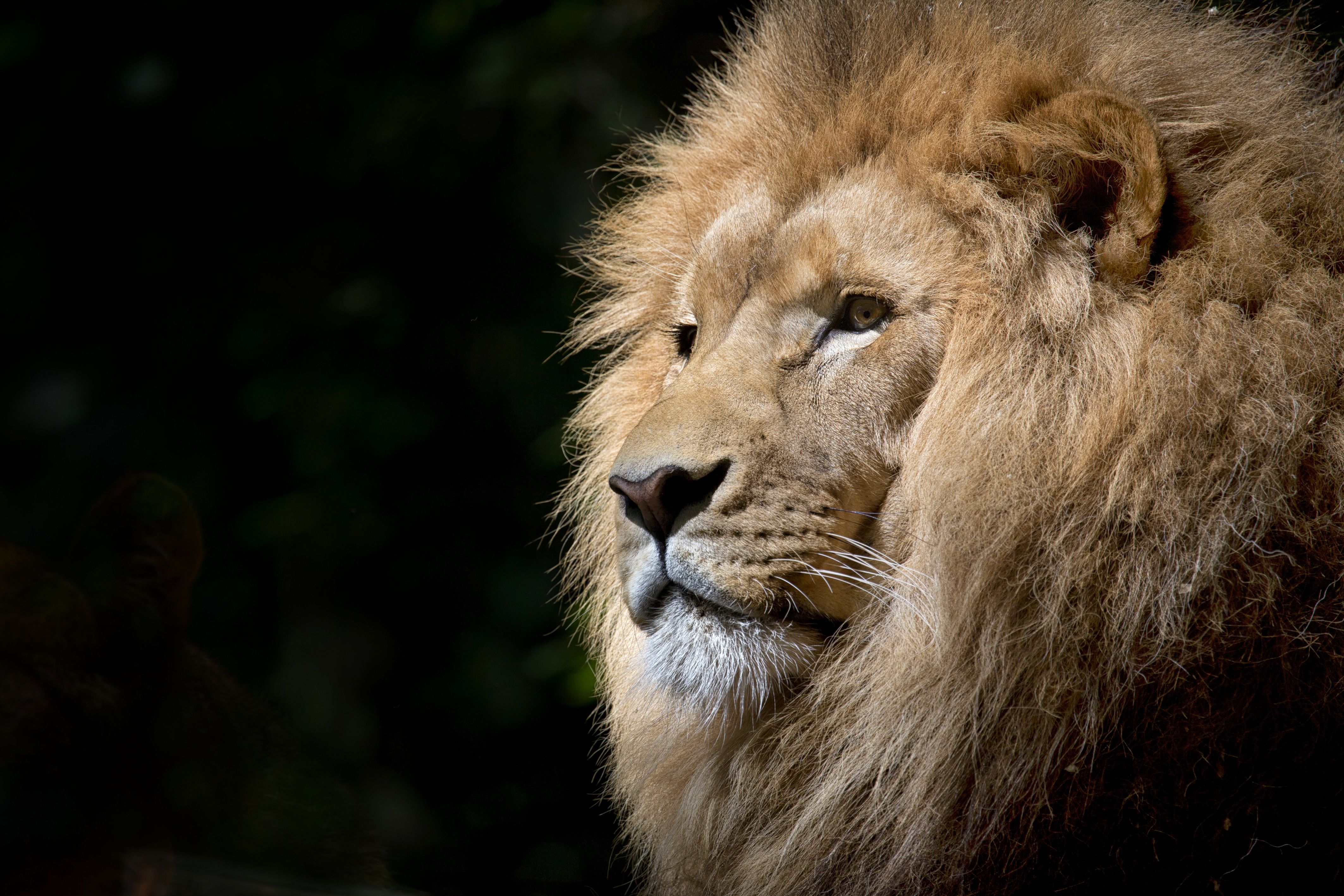
Cheetah in the open grasslands of Maasai Mara National Reserve
Independent planning guidance for Kenya safaris

Kenya National Parks and Reserves: Complete Safari Planning Guide

Compare locations, wildlife, seasons, road access, airstrips, accommodation choices, recommended stay length and responsible visitor conduct across Kenya’s leading protected areas.

Comprehensive Kenya planning resource Last reviewed
How to use this guide

Choose the right protected area before choosing the lodge

A good safari starts with geography, travel time, wildlife interests and season. Accommodation should then be selected in the correct part of the protected area.

Two lodges can both use the same destination name while sitting several hours apart. The correct decision depends on the gate, airstrip, road, conservancy, daily activity rules and onward route. Use the profiles below to create a shortlist, then compare a suitable Classic Wildlife Safari or request a private itinerary through the planning team.

Understand the management category

National parks, national reserves and wildlife conservancies are different

The name affects management, visitor rules, activities, conservation fees and relationships with neighbouring communities.

01

National park

A legally protected area with a strong conservation purpose, generally managed by the Kenya Wildlife Service. Visitor activities are controlled through park rules and management plans.

Examples in this guide

Nairobi National Park, Amboseli National Park, Lake Nakuru National Park, Tsavo East National Park, Tsavo West National Park and Aberdare National Park.

02

National reserve

A protected area that may be managed by a county government, sometimes with national agencies or other partners. Rules, payment systems and management arrangements can differ by reserve.

Examples in this guide

Maasai Mara National Reserve and Samburu National Reserve.

03

Wildlife conservancy

A conservation area on community, private or group land with its own governance and land use arrangements. Activities may differ from those permitted in a national park or reserve.

Example in this guide

Ol Pejeta Conservancy.

Plan by geography

Four practical Kenya safari circuits

Grouping nearby areas reduces repeated travel, protects wildlife viewing time and creates a more comfortable itinerary.

01

Nairobi and central highlands

A practical route for short safaris, conservation learning and farm experiences.

  • Nairobi National Park
  • Aberdare National Park
  • Ol Pejeta Conservancy
Explore this route
02

Great Rift Valley and south western Kenya

A classic road circuit for rhinoceroses, lakes, open savannah and predator viewing.

  • Lake Nakuru National Park
  • Maasai Mara National Reserve
Explore this route
03

Southern Kenya and the coast

A varied journey through elephant country, volcanic scenery and large wilderness areas.

  • Amboseli National Park
  • Tsavo West National Park
  • Tsavo East National Park
Explore this route
04

Northern Kenya and Laikipia

A contrasting route for dry country wildlife, conservation and central highland landscapes.

  • Samburu National Reserve
  • Ol Pejeta Conservancy
Explore this route
Detailed planning profiles

Major Kenya national parks, reserves and conservancies

Each profile uses the same planning structure so you can compare wildlife, access, airstrips, accommodation and recommended stay length.

Browse all wildlife destinations
Profile 01

Nairobi National Park

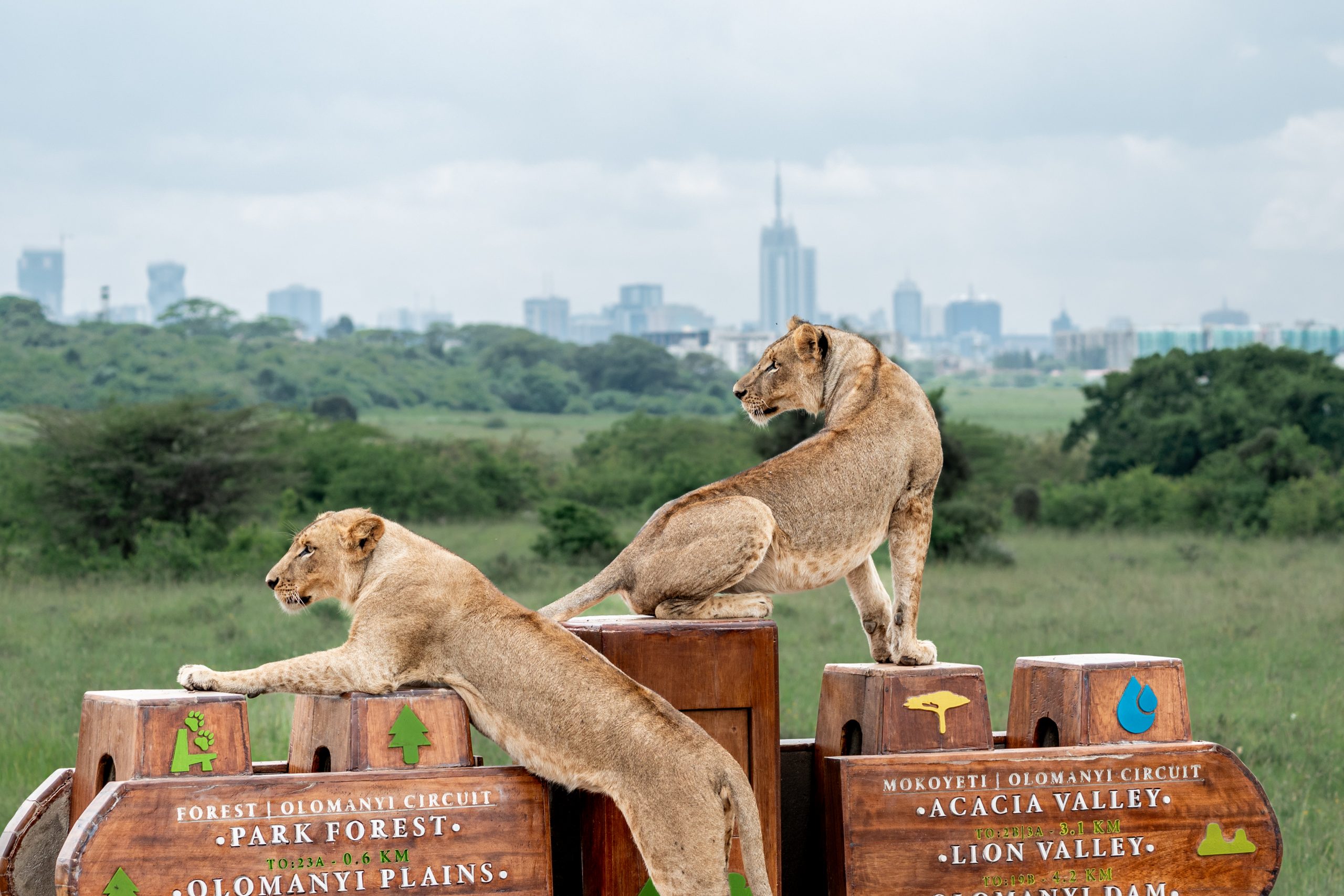
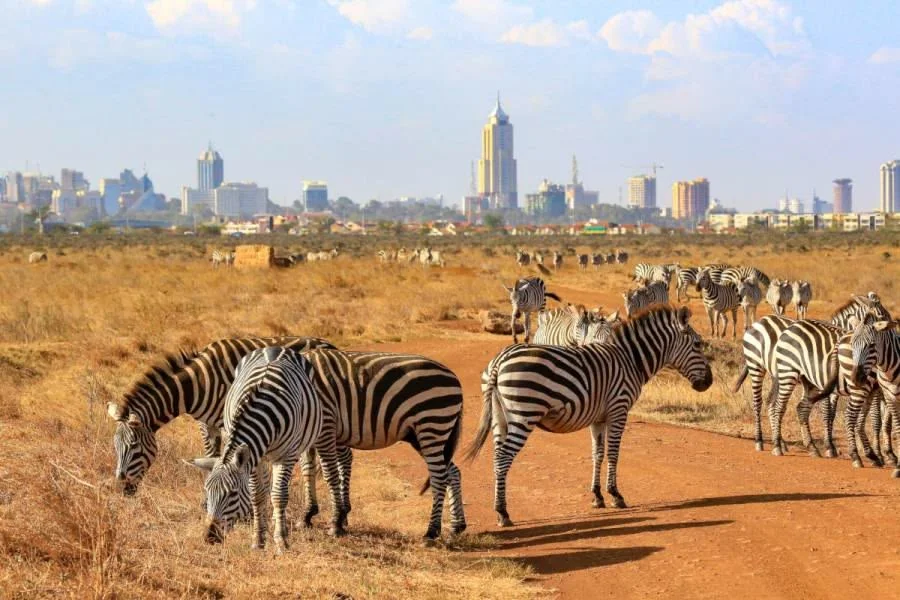
Wildlife on the open plains of Nairobi National Park with the Nairobi skyline beyond
National park Nairobi County

Nairobi and central Kenya circuit

Nairobi National Park gives travellers a genuine wildlife experience within easy reach of the capital. Open plains, riverine habitat and scattered woodland support lions, buffaloes, giraffes, zebras, antelopes and an important population of black rhinoceroses.

Location and character

The park lies immediately south of central Nairobi. It is especially useful for a first or final safari day, a business travel extension, a family outing or a short wildlife experience before a longer Kenya itinerary.

Best time to visit

The park can be visited throughout the year. January through March and June through October often bring drier tracks and easier wildlife viewing. The wetter months bring greener scenery, dramatic skies and strong birdlife.

Wildlife and landscape highlights

  • Black rhinoceroses and other plains wildlife
  • Lions, buffaloes, giraffes, zebras and several antelope species
  • Strong resident and migratory birdlife
  • A rare city skyline and wildlife photography setting

Road access

Road access from Nairobi is the normal choice. Transfer time depends on the starting neighbourhood, traffic and the selected gate. An early departure helps protect game drive time and avoids the busiest city traffic.

Air access and airstrips

A dedicated safari flight is rarely necessary. Wilson Airport and Jomo Kenyatta International Airport are both within the wider Nairobi area and can connect the visit with domestic or international flights.

Preferred travel method

Choose a private guided road transfer and a suitable safari vehicle. This keeps the schedule flexible and makes it easier to combine the park with the Giraffe Centre, Karen attractions, a city hotel or an airport transfer.

Recommended stay

Allow at least half a day. A full day creates more time for wildlife viewing, picnic stops and conservation attractions. Most travellers stay in Nairobi rather than inside the park.

Accommodation by budget and comfort level

These are planning examples, not fixed recommendations. Rates, inclusions and availability must be confirmed for the travel dates.

Value

Guest houses and practical hotels in Langata, Karen, South C and the airport area.

Comfort

Tamarind Tree Hotel, Emara Ole Sereni and similar full service Nairobi hotels.

Premium

Hemingways Nairobi, Giraffe Manor and premium properties in Karen and neighbouring districts.

Useful internal planning links

Profile 02

Maasai Mara National Reserve

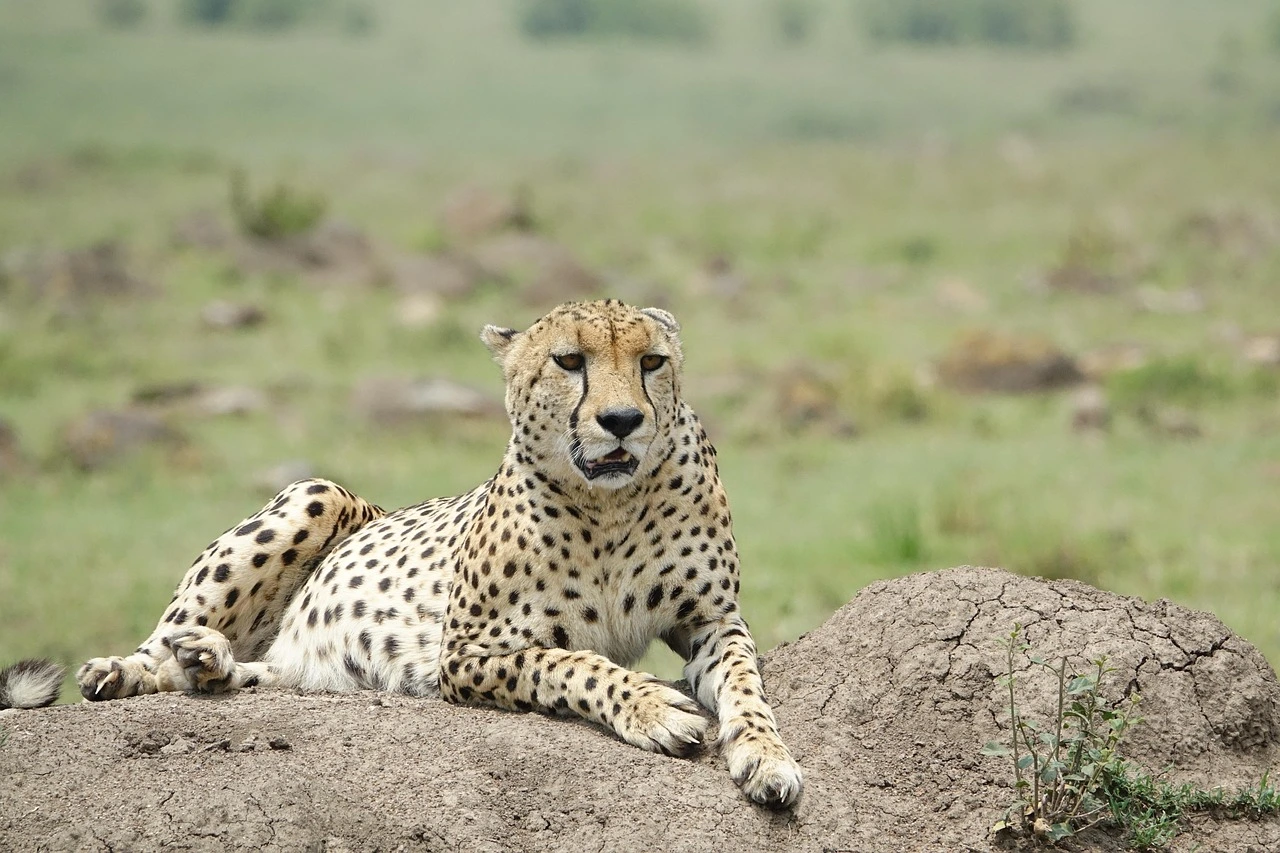
Cheetah resting in the open grasslands of Maasai Mara National Reserve
National reserve Narok County

South western Kenya circuit

Maasai Mara National Reserve is one of Kenya’s best known wildlife landscapes. The reserve and surrounding conservancies form part of the greater Serengeti ecosystem and support exceptional predator viewing, large herbivore populations, open grasslands and seasonal wildebeest movement.

Location and character

The reserve lies in south western Kenya along the border with Tanzania. The actual travel plan must identify the selected gate, camp or conservancy because the greater Maasai Mara area is extensive and transfer times vary considerably.

Best time to visit

Wildlife viewing is rewarding throughout the year. Large migratory herds are commonly associated with the reserve between July and October, but rainfall controls movement and river crossings can never be guaranteed. The greener months offer dramatic light, young animals and fewer visitors in some areas.

Wildlife and landscape highlights

  • Lions, leopards, cheetahs and other predators
  • Elephants, buffaloes, giraffes and large antelope populations
  • Seasonal wildebeest and zebra movement
  • Open savannah, river and escarpment landscapes

Road access

Road travel from Nairobi is popular for longer itineraries and allows useful stops in the Great Rift Valley. The final roads can be rough after rain, so route planning must consider the camp location, the gate and current conditions.

Air access and airstrips

Several airstrips serve different parts of the ecosystem. Common examples include Keekorok Airstrip, Ol Kiombo Airstrip, Musiara Airstrip and Mara Serena Airstrip. The correct airstrip should be confirmed from the accommodation location before flights are booked.

Preferred travel method

Choose road travel when the journey includes Lake Nakuru National Park, Lake Naivasha or agricultural regions. Choose an air safari when time is limited, comfort is a priority or the stay is focused only on Maasai Mara National Reserve.

Recommended stay

Three or four nights usually provide a balanced experience. Two nights can work, but weather, wildlife movement and long transfers can make a short stay feel rushed.

Accommodation by budget and comfort level

These are planning examples, not fixed recommendations. Rates, inclusions and availability must be confirmed for the travel dates.

Value

Simple tented camps near Sekenani, Talek and Oloolaimutia, with careful checks on transport, meals and gate location.

Comfort

Mara Sopa Lodge, Basecamp Maasai Mara, Zebra Plains Mara Camp and comparable full service camps.

Premium

Governors Camp, Angama Mara, Sala’s Camp and other high service reserve or conservancy properties.

Useful internal planning links

Profile 03

Lake Nakuru National Park

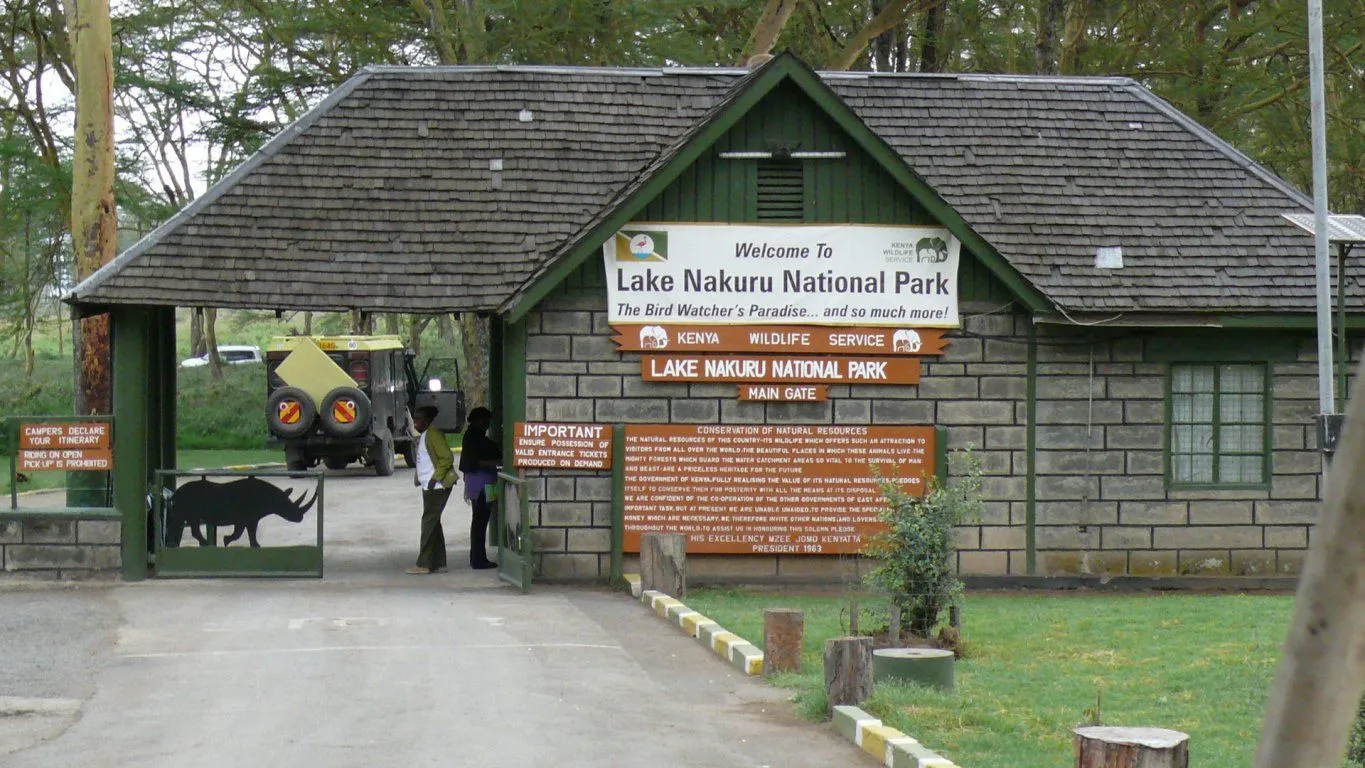
Lake and woodland habitat inside Lake Nakuru National Park
National park Nakuru County

Great Rift Valley circuit

Lake Nakuru National Park combines lake, woodland, grassland and escarpment scenery within a relatively compact protected area. It is especially valued for rhinoceros conservation, birdlife, viewpoints and convenient inclusion in a Great Rift Valley safari route.

Location and character

The park borders Nakuru city in the Great Rift Valley. It fits naturally between Nairobi and Maasai Mara National Reserve and can also be combined with Lake Naivasha, agricultural visits or the central highlands.

Best time to visit

The park is suitable throughout the year. Drier periods often make road conditions more predictable and can concentrate wildlife. Wetter periods bring greener vegetation and rewarding birdlife, although heavy rain may affect some tracks.

Wildlife and landscape highlights

  • Black and white rhinoceroses
  • Buffaloes, giraffes, lions and antelopes
  • Lake, forest and escarpment birdlife
  • Baboon Cliff and other scenic viewpoints

Road access

Road travel from Nairobi or Lake Naivasha is the preferred method. The park is also convenient for travellers staying in Nakuru city, but accommodation location and gate opening arrangements should be considered before the game drive.

Air access and airstrips

Naishi Airstrip is inside the park and may support private charter arrangements. Most visitors still arrive by road because Lake Nakuru National Park is easily incorporated into a wider overland circuit.

Preferred travel method

Choose a road safari when combining Nairobi, Lake Naivasha and Maasai Mara National Reserve. Air access is mainly useful for a specialised private charter itinerary.

Recommended stay

One night is practical for many circuits. Two nights provide more relaxed wildlife viewing, viewpoints and time to connect with Nakuru city or nearby conservation experiences.

Accommodation by budget and comfort level

These are planning examples, not fixed recommendations. Rates, inclusions and availability must be confirmed for the travel dates.

Value

Practical hotels in Nakuru city and Kenya Wildlife Service guest house options when available.

Comfort

Lake Nakuru Lodge, Sarova Lion Hill Game Lodge and comparable properties inside or near the park.

Premium

The Cliff, Mbweha Safari Camp and high service properties in the wider Nakuru and Soysambu area.

Useful internal planning links

Profile 04

Amboseli National Park

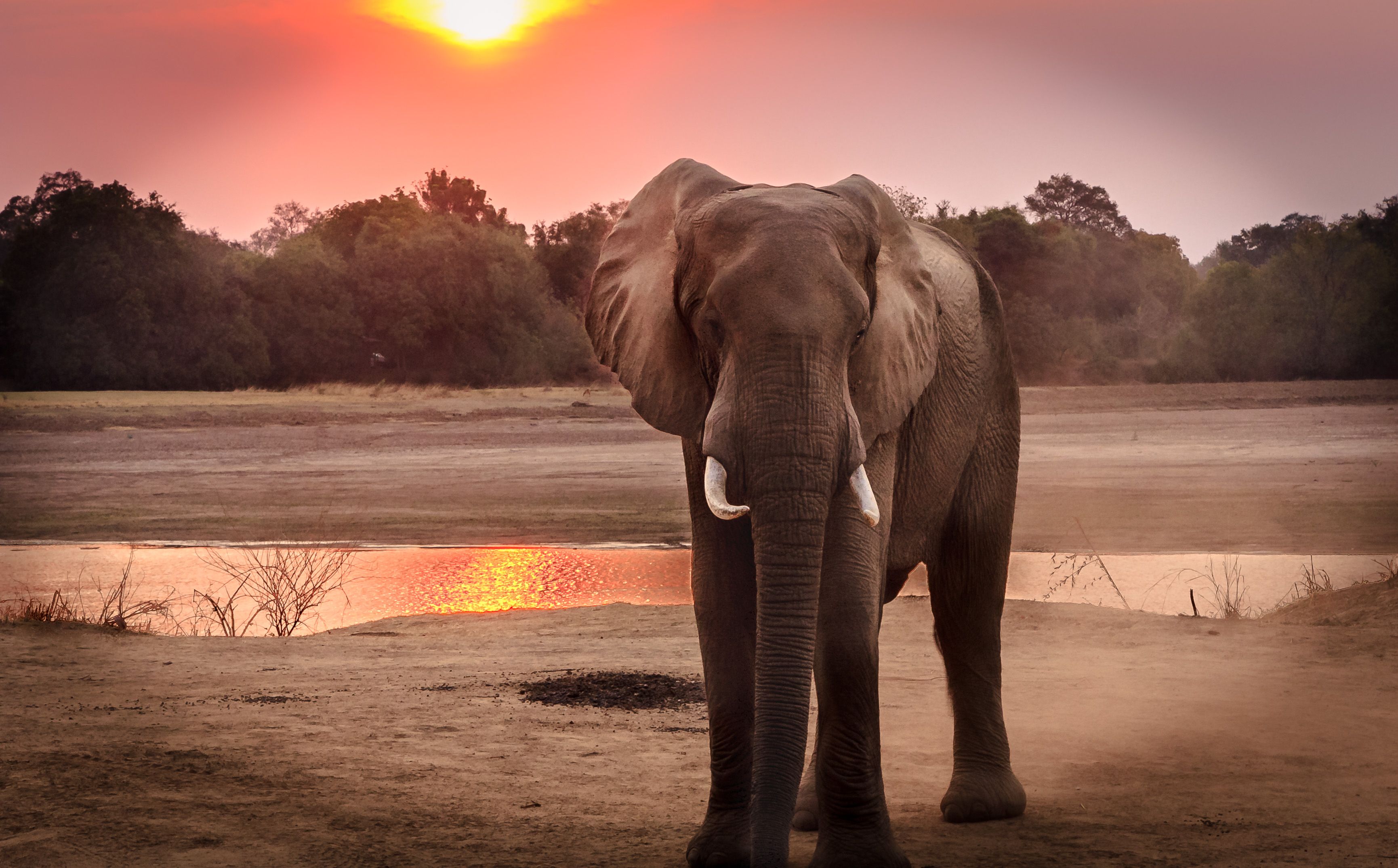
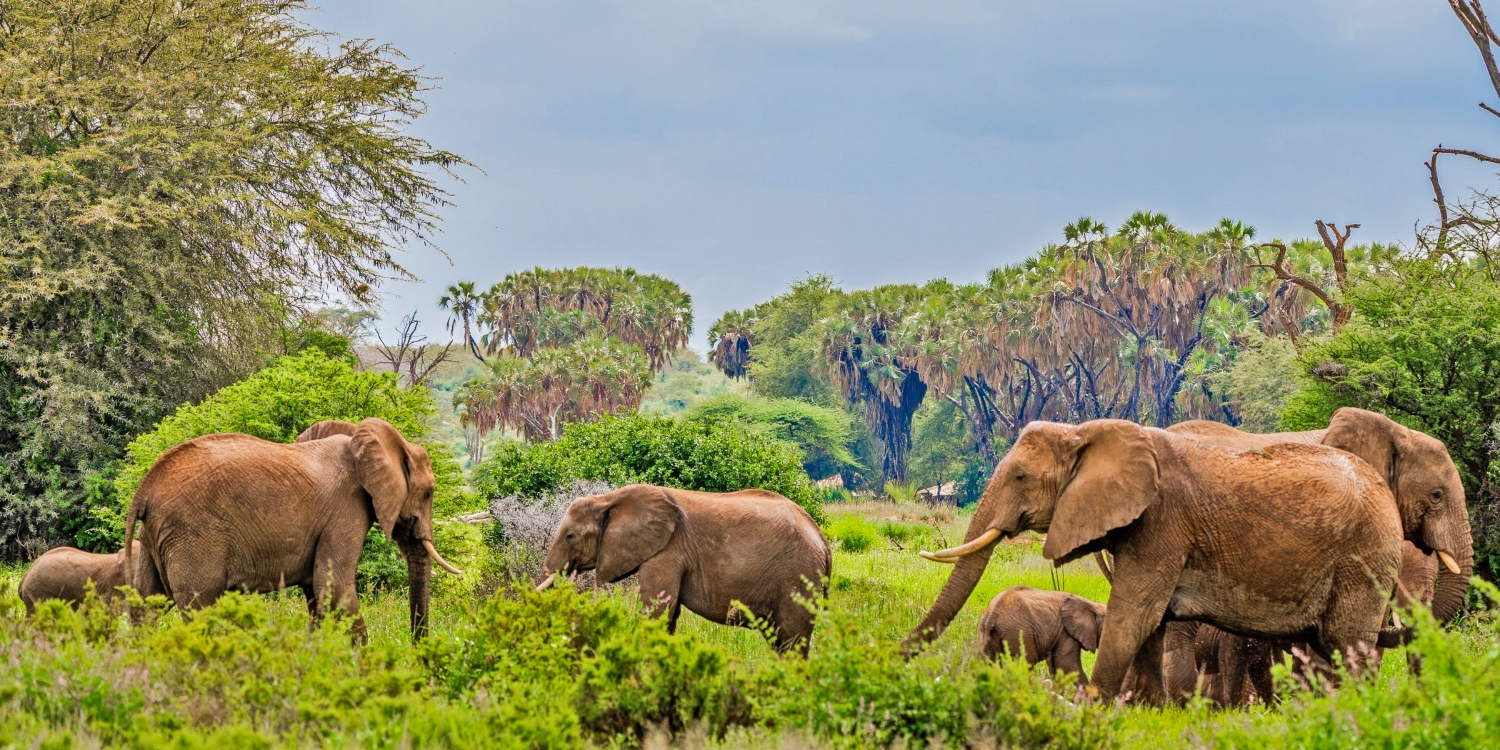
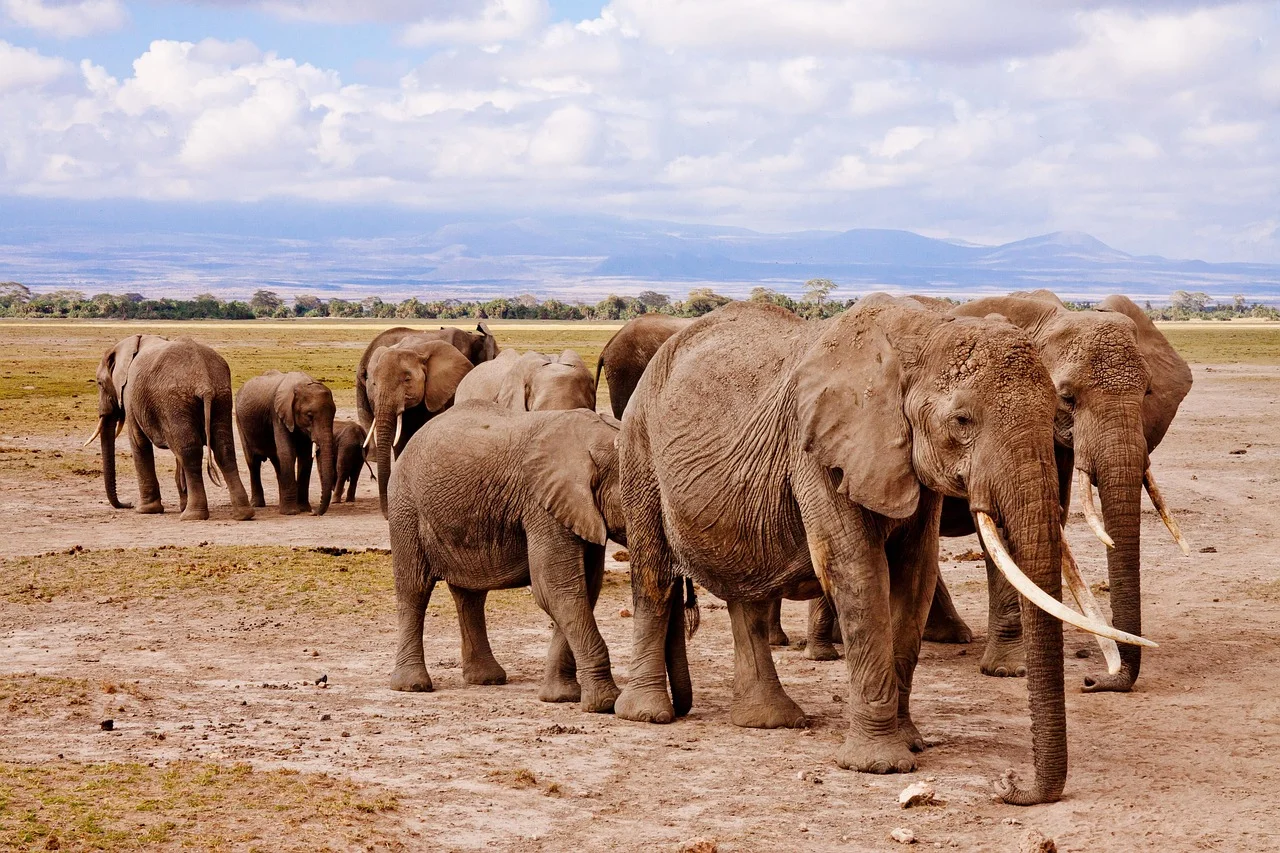
Elephant feeding in the Amboseli ecosystem beneath a wide East African sky
National park Kajiado County

Southern Kenya circuit

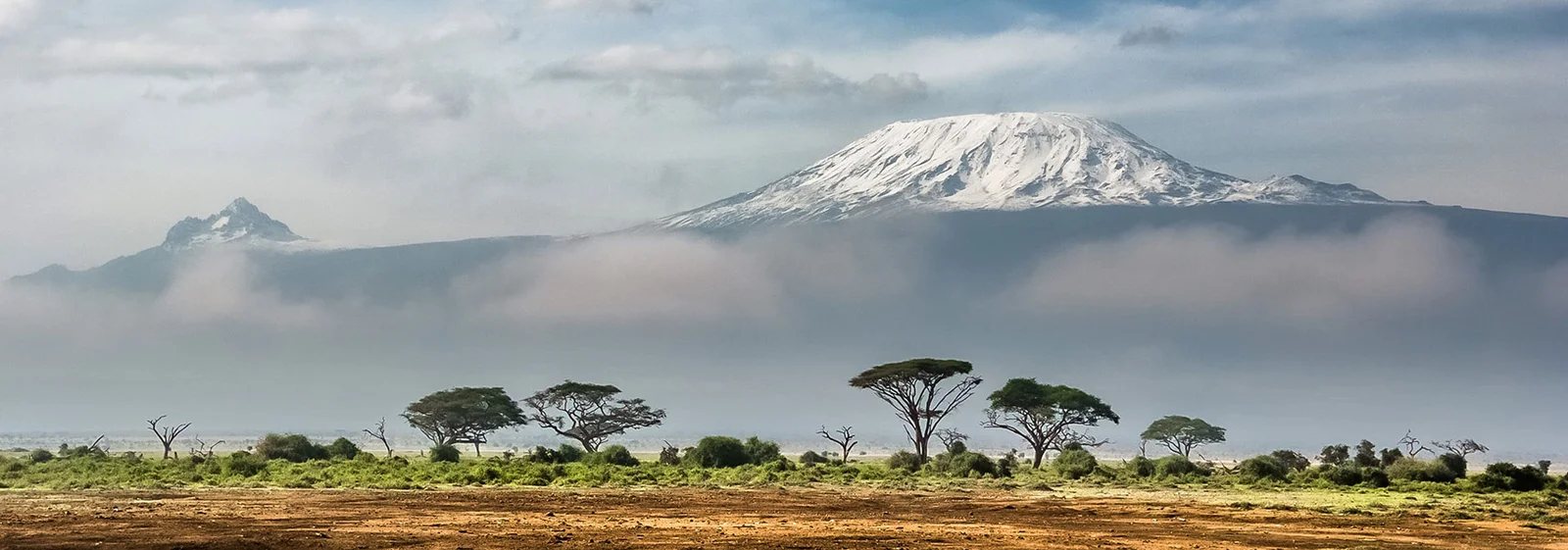
Amboseli National Park is famous for close elephant encounters, seasonal wetlands, open plains and views towards Mount Kilimanjaro when the mountain is clear. The compact core makes it suitable for first time visitors, photographers, families and travellers combining Kenya with the coast or northern Tanzania.

Location and character

The park lies in southern Kenya near the Tanzania border. It is commonly reached from Nairobi and can be linked with Tsavo West National Park, Tsavo East National Park, the coast or community conservation areas in the wider Amboseli ecosystem.

Best time to visit

Wildlife viewing is generally strong throughout the year. January through February and June through October often provide drier tracks and concentrated wildlife around permanent water. Rainy periods create green landscapes and reflective wetlands, but some roads can become difficult.

Wildlife and landscape highlights

  • Large elephant herds and long term elephant research
  • Lions, buffaloes, giraffes, zebras and antelopes
  • Wetland and grassland birdlife
  • Mount Kilimanjaro views when weather conditions allow

Road access

Road travel from Nairobi is common and works well in a southern Kenya circuit. Travel time changes with traffic, road conditions and the selected lodge. A four wheel drive safari vehicle is valuable during wet conditions.

Air access and airstrips

Amboseli Airstrip serves scheduled and charter flights. Some lodges arrange transfers between the airstrip and the property, but baggage limits and transfer arrangements must be confirmed before booking.

Preferred travel method

Choose road travel for an Amboseli and Tsavo circuit. Choose an air safari for a short stay, a premium itinerary or a direct connection with Wilson Airport and another safari region.

Recommended stay

Two or three nights allow early morning mountain views, several game drives and time for changing light and wildlife movement.

Accommodation by budget and comfort level

These are planning examples, not fixed recommendations. Rates, inclusions and availability must be confirmed for the travel dates.

Value

Kenya Wildlife Service cottages, public campsites and practical properties near Kimana and the park gates.

Comfort

Ol Tukai Lodge, Amboseli Serena Safari Lodge and comparable full service lodges.

Premium

Tortilis Camp, Tawi Lodge and premium camps in the wider Amboseli ecosystem.

Useful internal planning links

Profile 05

Tsavo East National Park

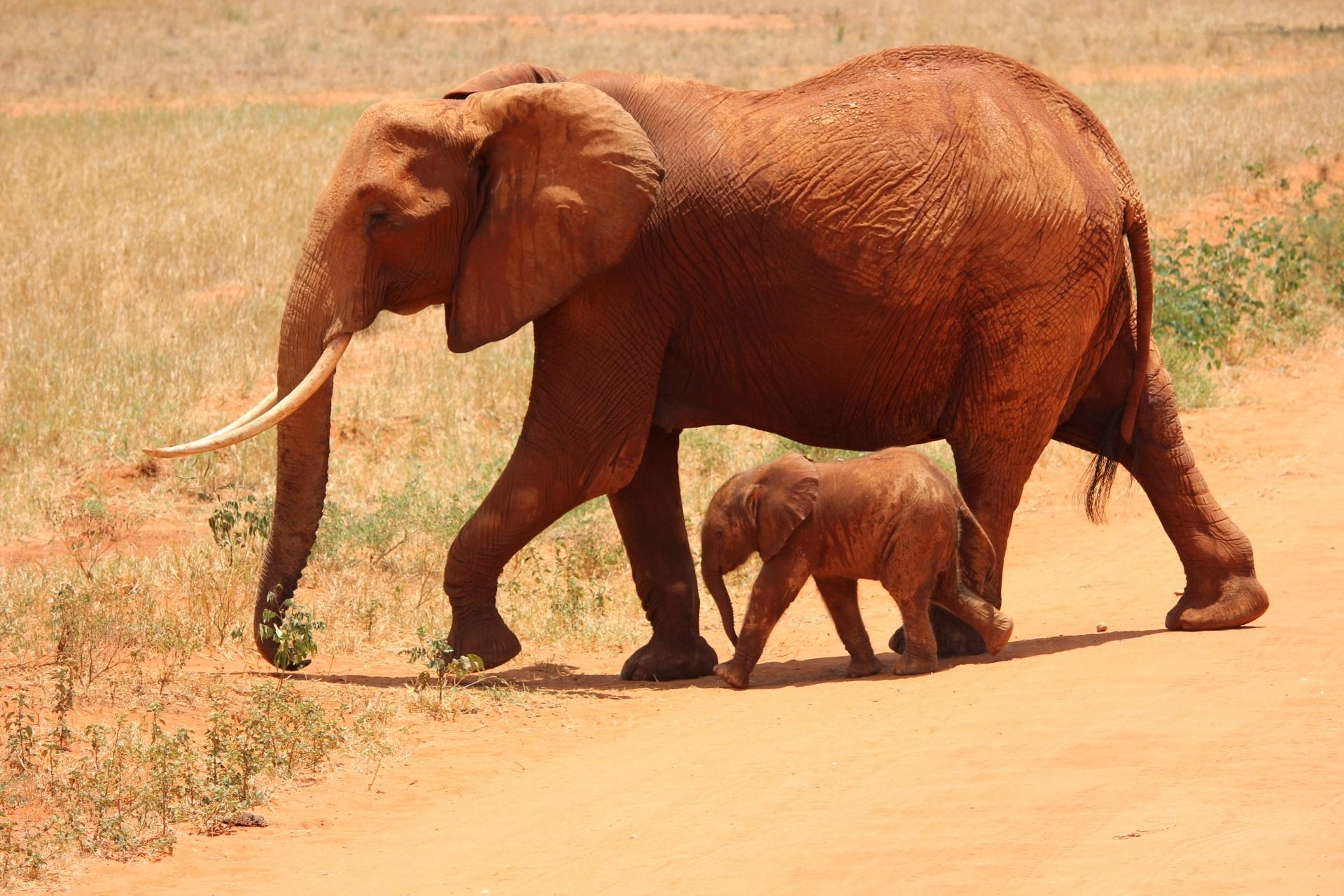
Elephants crossing the red earth landscape of Tsavo East National Park
National park South eastern Kenya

Tsavo and coast circuit

Tsavo East National Park offers a vast semi arid wilderness, broad horizons, seasonal rivers and the famous red earth associated with its elephants. The scale creates a strong sense of remoteness and makes the park a natural choice for travellers moving between Nairobi and the Kenya coast.

Location and character

The park lies between Nairobi and the coast and forms part of the greater Tsavo Conservation Area. Gate choice matters because the park is very large and lodges are spread across different wildlife areas.

Best time to visit

January through February and June through October often bring easier road conditions and clearer wildlife viewing around water sources. The rainy periods transform the landscape and can be excellent for scenery and birds, but access may require more time and flexibility.

Wildlife and landscape highlights

  • Elephants coloured by the red earth
  • Lions, buffaloes, giraffes, zebras and antelopes
  • Galana River and seasonal water landscapes
  • Large scale wilderness and strong birdlife

Road access

Road travel is highly practical from Nairobi, Mombasa, Diani, Watamu or Tsavo West National Park. The selected gate should match the lodge and onward route so that excessive driving is avoided.

Air access and airstrips

Voi Airstrip and several smaller airstrips, including those near Aruba and selected camps, may be used for charter arrangements. Flight availability depends on the season, lodge and operator.

Preferred travel method

Choose road travel for a Nairobi to coast journey or a combined Tsavo East and Tsavo West safari. Choose a charter flight when the itinerary is short or linked directly to a remote camp.

Recommended stay

Two or three nights are recommended because of the park’s size. One night can work as a transit safari, but it limits the area that can be explored.

Accommodation by budget and comfort level

These are planning examples, not fixed recommendations. Rates, inclusions and availability must be confirmed for the travel dates.

Value

Public campsites and practical hotels in Voi for travellers who do not require a lodge inside the park.

Comfort

Voi Safari Lodge, Ashnil Aruba Lodge and comparable established safari lodges.

Premium

Satao Camp, Galdessa Camp and smaller high service camps in quieter areas.

Useful internal planning links

Profile 06

Tsavo West National Park

Volcanic hills and wooded wilderness in Tsavo West National Park
National park Taita Taveta County

Tsavo and coast circuit

Tsavo West National Park is known for volcanic scenery, wooded hills, lava flows, springs and varied wildlife habitat. It feels more enclosed than Tsavo East National Park and rewards travellers who value landscape, geology, viewpoints and a slower search for wildlife.

Location and character

The park lies in south eastern Kenya and is separated from Tsavo East National Park by the main Nairobi to Mombasa transport corridor. It combines naturally with Amboseli National Park, Tsavo East National Park and the coast.

Best time to visit

Drier periods from January through February and June through October generally provide easier access. Rain creates dramatic scenery and greener habitat, but dense vegetation can make wildlife harder to find and some tracks may be slower.

Wildlife and landscape highlights

  • Elephants, lions, leopards, buffaloes and antelopes
  • Mzima Springs and associated aquatic life
  • Shetani lava flows and volcanic scenery
  • Wooded hills, viewpoints and varied birdlife

Road access

Road access works well from Nairobi, Amboseli National Park, Mombasa and Tsavo East National Park. The chosen gate should match the lodge and the direction of onward travel.

Air access and airstrips

Kilaguni Airstrip is the best known air access point. Some camps use private or nearby airstrips. Confirm the exact transfer and baggage arrangement with the selected accommodation.

Preferred travel method

Choose road travel for a complete southern Kenya circuit. Choose an air safari when connecting directly with a lodge and when reducing long road transfers is more important than seeing the changing landscape.

Recommended stay

Two nights provide a useful introduction. Three nights allow more time for Mzima Springs, volcanic features, viewpoints and wildlife drives in different habitats.

Accommodation by budget and comfort level

These are planning examples, not fixed recommendations. Rates, inclusions and availability must be confirmed for the travel dates.

Value

Public campsites, Kenya Wildlife Service accommodation when available and practical hotels near Mtito Andei.

Comfort

Kilaguni Serena Safari Lodge, Ngulia Safari Lodge and Severin Safari Camp.

Premium

Finch Hattons Luxury Camp and other high service properties in the wider Tsavo ecosystem.

Useful internal planning links

Profile 07

Samburu National Reserve

Dry river landscape and wildlife habitat in Samburu National Reserve
National reserve Samburu County

Northern Kenya circuit

Samburu National Reserve offers a striking northern Kenya landscape shaped by dry plains, rocky hills, doum palms and the Ewaso Nyiro River. It is known for wildlife adapted to arid conditions and provides a strong contrast with southern Kenya safari areas.

Location and character

The reserve lies in Samburu County along the Ewaso Nyiro River. It is often planned together with Buffalo Springs National Reserve, Shaba National Reserve, Ol Pejeta Conservancy and the Mount Kenya region.

Best time to visit

June through October and December through March often provide dependable wildlife viewing around water. Rain can transform the landscape, but road conditions and river levels may change quickly. Current access advice is important during heavy rain.

Wildlife and landscape highlights

  • Grevy’s zebras, reticulated giraffes, gerenuks, Beisa oryx and Somali ostriches
  • Elephants along the Ewaso Nyiro River
  • Lions, leopards, cheetahs and other predators
  • Distinctive northern Kenya birdlife and scenery

Road access

Road travel from Nairobi normally passes through the central highlands and can combine agricultural or conservation stops. The journey is long enough that an early departure and a comfortable safari vehicle are important.

Air access and airstrips

Samburu Oryx Airstrip and Buffalo Springs Airstrip are commonly used. The best airstrip depends on the lodge, river crossing and current transfer arrangement.

Preferred travel method

Choose road travel when combining Ol Pejeta Conservancy, Mount Kenya or highland farm visits. Choose an air safari when time is limited or when Samburu National Reserve is the main focus.

Recommended stay

Three nights give enough time to explore the river, dry plains and neighbouring protected areas. A longer stay suits specialist photography, birdwatching or cultural experiences arranged responsibly.

Accommodation by budget and comfort level

These are planning examples, not fixed recommendations. Rates, inclusions and availability must be confirmed for the travel dates.

Value

Samburu Riverside Camp and simple camps near the reserve, with transport and meal arrangements confirmed in advance.

Comfort

Samburu Sopa Lodge, Ashnil Samburu Camp and comparable full service properties.

Premium

Elephant Bedroom Camp, Saruni Samburu and smaller high service camps in the wider northern conservation landscape.

Useful internal planning links

Profile 08

Aberdare National Park

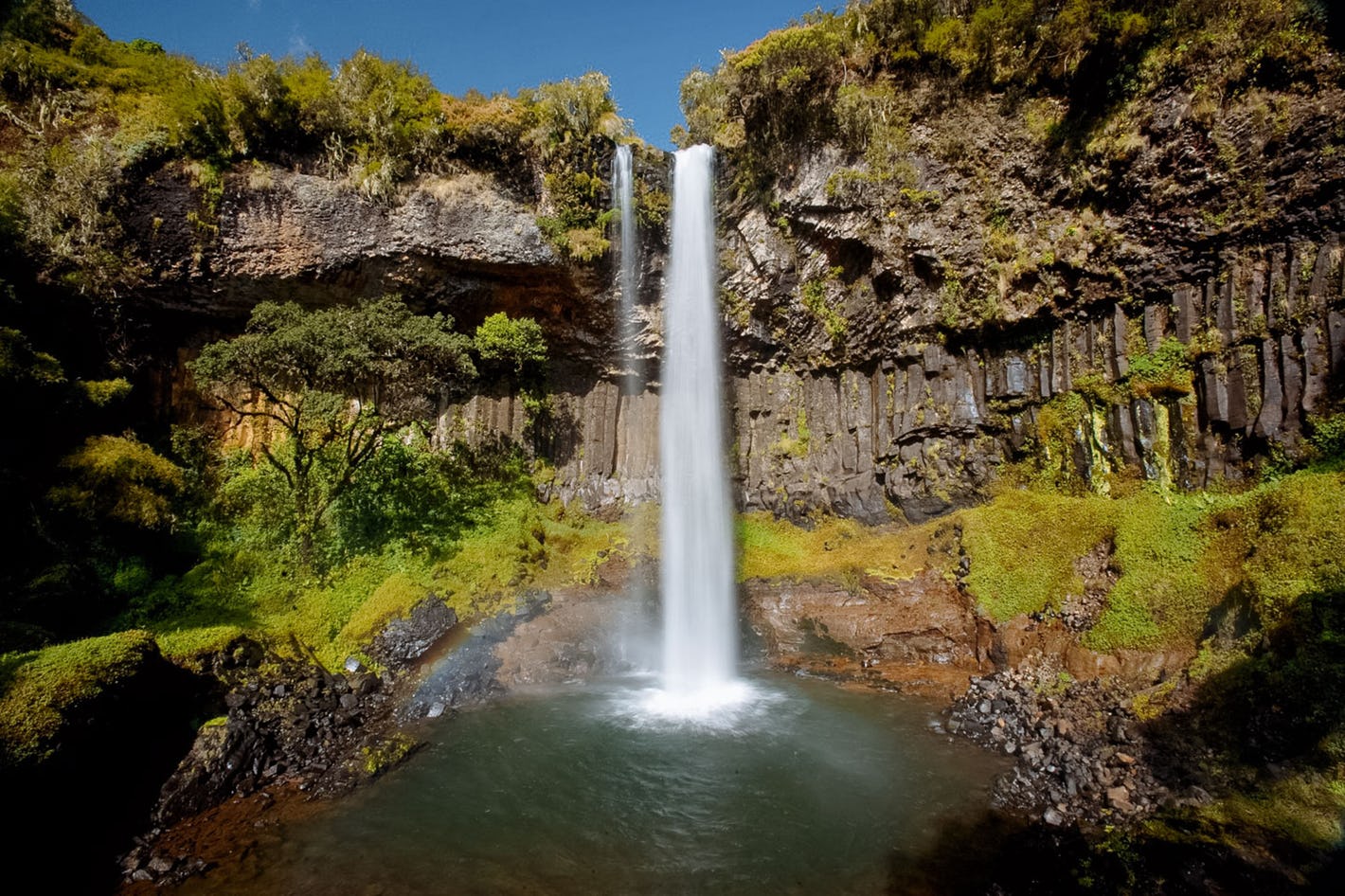
Mountain forest and waterfall landscape in Aberdare National Park
National park Nyeri and Nyandarua counties

Central highlands circuit

Aberdare National Park protects a cool mountain landscape of forest, bamboo, moorland, ravines, streams and waterfalls. It offers a very different safari experience from open savannah parks and is valuable for scenery, hiking routes where permitted, forest wildlife and quiet highland stays.

Location and character

The park lies in the central highlands between Nyeri and Nyandarua. It combines well with Nairobi, the Mount Kenya region, Ol Pejeta Conservancy, coffee farms, tea estates and dairy farming areas.

Best time to visit

January through February and June through September often bring more dependable access, but mountain weather can change at any time. Rain, mist and low temperatures are part of the experience and travellers should pack warm waterproof clothing.

Wildlife and landscape highlights

  • Elephants, buffaloes, forest antelopes and primates
  • Mountain birdlife and forest species
  • Waterfalls, bamboo forest and high moorland
  • Historic tree lodge wildlife viewing

Road access

Road travel is the normal method. Some gates and high altitude roads require a capable four wheel drive vehicle, especially after rain. Gate choice should match the accommodation and planned attractions.

Air access and airstrips

The park does not normally depend on a central visitor airstrip. Nanyuki Airfield and Nyeri Airstrip can support wider highland itineraries, followed by a road transfer.

Preferred travel method

Choose a guided road journey with a suitable vehicle. This is the most practical way to combine the park with Nyeri, Nanyuki, Ol Pejeta Conservancy and agricultural visits.

Recommended stay

Two nights suit most visitors. Add another night for a slower forest experience, specialist birdwatching, fishing where permitted or a wider central highlands route.

Accommodation by budget and comfort level

These are planning examples, not fixed recommendations. Rates, inclusions and availability must be confirmed for the travel dates.

Value

Public campsites and Kenya Wildlife Service self catering guest houses when available.

Comfort

The Ark, Aberdare Country Club and established highland lodges near the park.

Premium

Private highland lodges and exclusive properties in the wider Nyeri and Laikipia region.

Useful internal planning links

Profile 09

Ol Pejeta Conservancy

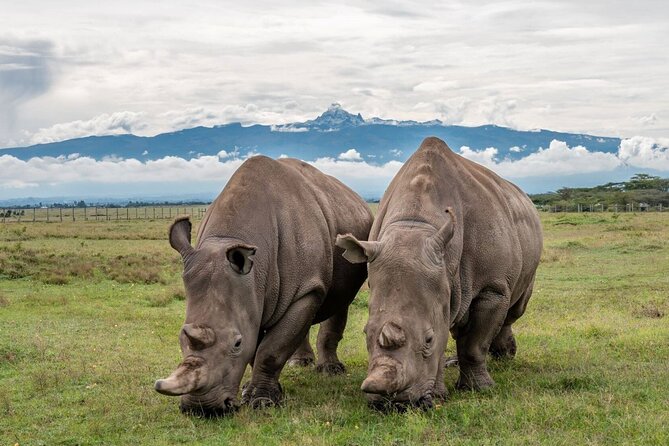
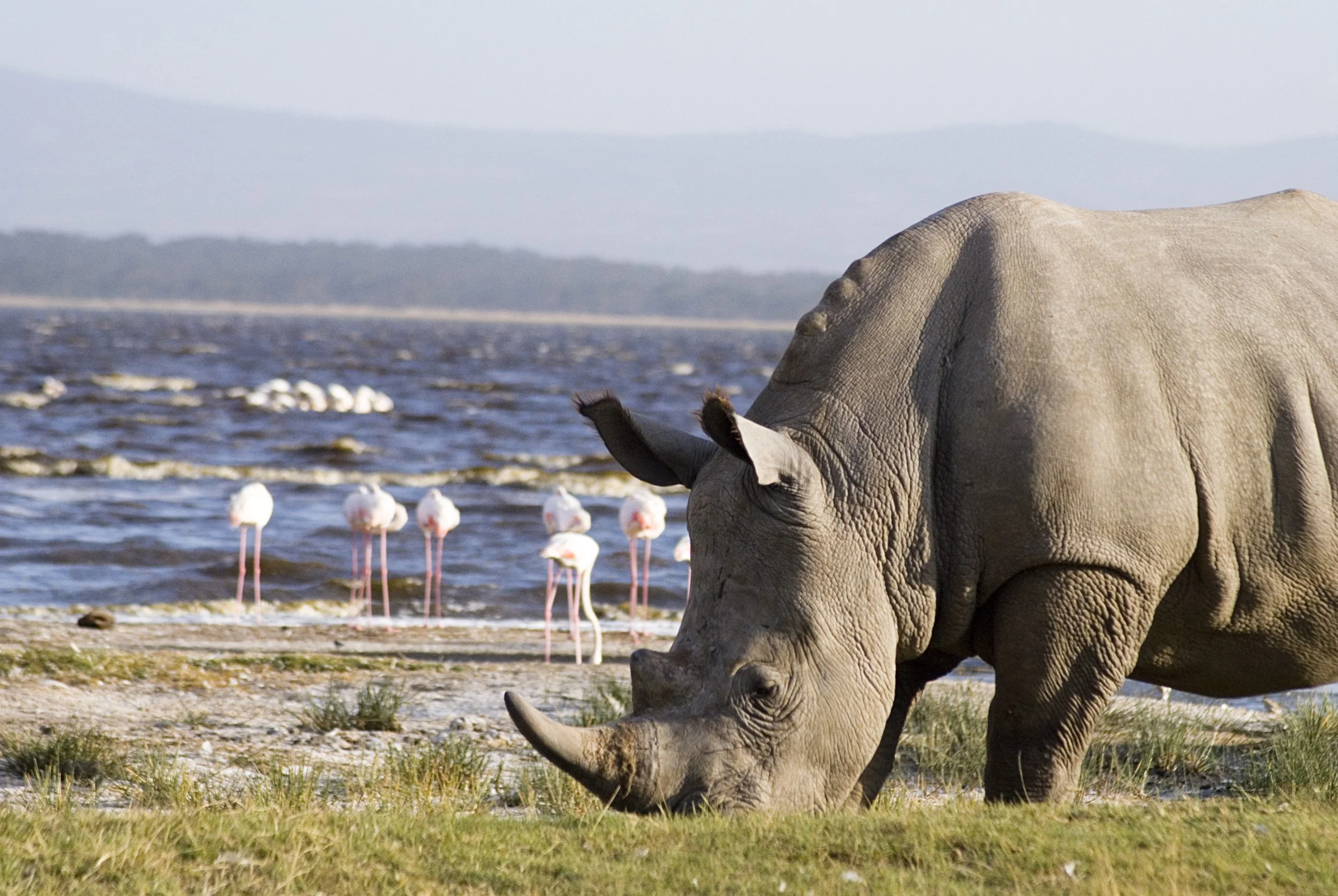
Rhinoceros in the open grassland of Ol Pejeta Conservancy
Wildlife conservancy Laikipia County

Central and northern Kenya circuit

Ol Pejeta Conservancy combines wildlife tourism, rhinoceros conservation, conservation education and working landscape management near Mount Kenya. It is especially suitable for families, students, conservation focused travellers and visitors seeking a shorter safari from Nairobi or Nanyuki.

Location and character

The conservancy lies west of Nanyuki in Laikipia County. It combines naturally with Aberdare National Park, Samburu National Reserve, Mount Kenya and agricultural experiences in the central highlands.

Best time to visit

The conservancy can be visited throughout the year. January through February and June through September often provide drier roads and easier wildlife viewing. The rainy months bring green scenery, but some tracks can become slower.

Wildlife and landscape highlights

  • Black and white rhinoceros conservation
  • Lions, elephants, buffaloes, giraffes and other plains wildlife
  • Conservation education and selected specialist activities
  • Mount Kenya views and a working conservation landscape

Road access

Road travel from Nairobi normally passes through the central highlands. The conservancy is also easily reached from Nanyuki and works well in a private road circuit.

Air access and airstrips

Nanyuki Airfield is the main nearby air connection. A road transfer is required between the airfield and the conservancy. Private charter arrangements may use other authorised landing facilities.

Preferred travel method

Choose road travel for a central Kenya circuit and for combining conservation with farm visits. Choose a flight to Nanyuki when the itinerary is short or when reducing road time is important.

Recommended stay

Two nights allow wildlife drives and conservation activities. Three nights provide a more relaxed programme and additional time for families, education groups or specialist experiences.

Accommodation by budget and comfort level

These are planning examples, not fixed recommendations. Rates, inclusions and availability must be confirmed for the travel dates.

Value

Public campsites and practical hotels or guest houses in Nanyuki.

Comfort

Sweetwaters Serena Camp, Pelican House for suitable groups and comparable conservancy accommodation.

Premium

Kicheche Laikipia Camp, Ol Pejeta Bush Camp and smaller high service properties.

Useful internal planning links

Quick comparison

Compare travel method and recommended stay

Use this summary to remove routes that do not fit your available time before comparing accommodation.

Protected area Management type Preferred travel Recommended stay Internal guide
Nairobi National Park National park Choose a private guided road transfer and a suitable safari vehicle. This keeps the schedule flexible and makes it… Allow at least half a day. A full day creates more time for wildlife viewing, picnic stops and conservation attractions. Most travellers stay in Nairobi rather than inside the park. Read profile
Maasai Mara National Reserve National reserve Choose road travel when the journey includes Lake Nakuru National Park, Lake Naivasha or agricultural regions. Choose… Three or four nights usually provide a balanced experience. Two nights can work, but weather, wildlife movement and long transfers can make a short stay feel rushed. Read profile
Lake Nakuru National Park National park Choose a road safari when combining Nairobi, Lake Naivasha and Maasai Mara National Reserve. Air access is mainly… One night is practical for many circuits. Two nights provide more relaxed wildlife viewing, viewpoints and time to connect with Nakuru city or nearby conservation experiences. Read profile
Amboseli National Park National park Choose road travel for an Amboseli and Tsavo circuit. Choose an air safari for a short stay, a premium itinerary or a… Two or three nights allow early morning mountain views, several game drives and time for changing light and wildlife movement. Read profile
Tsavo East National Park National park Choose road travel for a Nairobi to coast journey or a combined Tsavo East and Tsavo West safari. Choose a charter… Two or three nights are recommended because of the park’s size. One night can work as a transit safari, but it limits the area that can be explored. Read profile
Tsavo West National Park National park Choose road travel for a complete southern Kenya circuit. Choose an air safari when connecting directly with a lodge… Two nights provide a useful introduction. Three nights allow more time for Mzima Springs, volcanic features, viewpoints and wildlife drives in different habitats. Read profile
Samburu National Reserve National reserve Choose road travel when combining Ol Pejeta Conservancy, Mount Kenya or highland farm visits. Choose an air safari… Three nights give enough time to explore the river, dry plains and neighbouring protected areas. A longer stay suits specialist photography, birdwatching or cultural experiences arranged responsibly. Read profile
Aberdare National Park National park Choose a guided road journey with a suitable vehicle. This is the most practical way to combine the park with Nyeri… Two nights suit most visitors. Add another night for a slower forest experience, specialist birdwatching, fishing where permitted or a wider central highlands route. Read profile
Ol Pejeta Conservancy Wildlife conservancy Choose road travel for a central Kenya circuit and for combining conservation with farm visits. Choose a flight to… Two nights allow wildlife drives and conservation activities. Three nights provide a more relaxed programme and additional time for families, education groups or specialist experiences. Read profile
Responsible safari conduct

Protect wildlife, habitats and the quality of every sighting

The guide or ranger has the final responsibility for safe and lawful movement inside a protected area.

What visitors should do

  • Follow ranger, guide, gate and accommodation instructions at all times.
  • Keep a respectful distance from wildlife and allow animals a clear route to move.
  • Remain inside the vehicle unless a guide confirms a designated safe place.
  • Use quiet voices, reduce sudden movement and give every sighting enough space.
  • Carry drinking water, sun protection, a warm layer and suitable rain protection.
  • Take all waste out of the protected area and use only designated disposal points.
  • Confirm current conservation fees, gate hours, road conditions and activity rules before travel.
  • Choose guides and accommodation providers that respect wildlife, local communities and conservation rules.

What visitors should not do

  • Do not feed, touch, call, chase or attempt to attract wildlife.
  • Do not leave the road or enter restricted areas unless the managing authority has authorised the activity.
  • Do not crowd predators, block an animal or pressure a guide to break viewing rules.
  • Do not play loud music, shout or use bright lights near wildlife.
  • Do not remove plants, rocks, feathers, bones or any other natural material.
  • Do not fly a drone without the required aviation, conservation and location permissions.
  • Do not rely on a promised wildlife sighting or a guaranteed natural event.
  • Do not assume that rules, fees and activities are identical in every park, reserve or conservancy.
Frequently Asked Questions

Common questions about choosing and visiting protected areas

These answers provide general planning guidance. Current rules from the managing authority and written conditions in your confirmed itinerary take priority.

Ask a planning question
What is the difference between a national park, a national reserve and a wildlife conservancy?

A national park is a legally protected area with a strong conservation purpose and is generally managed by the Kenya Wildlife Service. A national reserve is also protected, but management may sit with a county government and local governance arrangements can differ. A wildlife conservancy may operate on community, private or group land under its own management plan. Entry rules, permitted activities, fees and community relationships therefore vary by place.

Which Kenya protected area is best for a first safari?

Maasai Mara National Reserve is a strong choice for abundant wildlife and classic open landscapes. Amboseli National Park suits travellers who value elephants and Mount Kilimanjaro views. Lake Nakuru National Park is useful for rhinoceros viewing and a Great Rift Valley route. The best choice still depends on available days, season, budget and travel pace.

Is it better to drive or fly between safari areas?

Road travel usually costs less per person, carries more luggage and makes it easier to combine several destinations. Air travel saves time and can improve comfort on a short itinerary. The best choice depends on the distance, road conditions, camp location, group size, baggage limits and total budget.

How many protected areas should be included in one safari?

A comfortable itinerary normally gives each major wildlife area at least two nights, with three or four nights for a large ecosystem such as Maasai Mara National Reserve. Adding too many places creates long transfer days and reduces wildlife viewing time. A slower route often produces a better experience than a longer destination list.

Are park entry fees included in a safari quotation?

They may be included, but the quotation must state this clearly. Conservation fees can change and different protected areas use different payment systems. Always confirm whether adult, child, vehicle, activity and conservancy fees are included before paying a deposit.

Can children visit Kenya national parks and reserves?

Yes. Many safari routes work well for families, especially with a private vehicle and an adjusted daily schedule. Age limits may apply to walking, ballooning, night activities and some conservation experiences. Share the children’s ages before accommodation and activities are confirmed.

How should accommodation be compared?

Compare more than the room price. Check whether meals, transfers, conservation fees, drinks, activities, laundry and child arrangements are included. Also check whether the property is inside the protected area, outside a gate or in a separate conservancy because location affects travel time and fees.

Are wildlife sightings guaranteed?

No. Wildlife moves freely and sightings depend on habitat, weather, season, guide decisions and chance. A good itinerary improves opportunity through suitable timing, enough nights and experienced guiding, but no responsible operator can guarantee a particular animal or natural event.

What rules should visitors follow during game drives?

Remain inside the vehicle unless a guide confirms a designated safe area. Keep noise low, never feed wildlife, do not block animals, follow speed and viewing rules, carry out all waste and follow instructions from rangers and guides. Drone use requires specific authorisation and is not a normal visitor activity.

When should current access and fee information be checked?

Check again before a quotation is confirmed and shortly before travel. Rain, road works, wildlife management, fire, flooding, security operations, conservation fees and gate arrangements can change after an itinerary is first designed.

Authoritative external links

Official planning and conservation sources

Use these sources to confirm current laws, fees, access notices, visitor rules and protected area management information.

Kenya Wildlife Service protected areas

Official park information, visitor guidance, conservation notices and links to park entry services.

Open the official source

Kenya Wildlife Conservation and Management Act

The national legal framework for wildlife protection, conservation and management.

Open the official source

Kenya Wildlife Service conservation fees

Official fee information for Kenya Wildlife Service managed protected areas. Confirm the latest published schedule before travel.

Open the official source

Maasai Mara National Reserve management plan

Narok County planning framework covering conservation, tourism management, visitor use and community relationships.

Open the official source

Kenya Tourism Board

Official national tourism information and destination inspiration for Kenya.

Open the official source

Ol Pejeta Conservancy

Official conservation, visitor, activity and accommodation information for Ol Pejeta Conservancy.

Open the official source

External information can change without notice. Confirm current conservation fees, gate hours, road conditions, flight schedules, baggage limits and accommodation terms before paying for travel services.

Turn the research into a practical route

Plan a Kenya safari around your dates, interests and budget

Share the number of days, preferred comfort level, wildlife interests, family details, mobility needs and whether you prefer road or air travel. The planning team can then recommend a realistic protected area combination.