Kenya’s wildlife destinations are not interchangeable. The Maasai Mara is known for open savannah and big cats, Amboseli for elephant families and wetlands, Lake Nakuru for a compact Rift Valley environment and rhinoceros conservation, Samburu for northern species, and Ol Pejeta for a conservancy-based conservation experience.
Quick comparison
| Destination | Strongest reasons to visit | Suggested stay | Combines well with |
|---|---|---|---|
| Maasai Mara | Big cats, open plains, resident wildlife and seasonal migration | Two to four nights | Lake Nakuru, Naivasha or Serengeti |
| Amboseli | Elephant families, wetlands and possible Mount Kilimanjaro views | Two nights | Nairobi, Tsavo or Tanzania northern circuit |
| Lake Nakuru | Rhinoceros opportunities, birds, woodland and lake scenery | One or two nights | Naivasha and Maasai Mara |
| Samburu | Northern wildlife species, river habitat and dry-country scenery | Two or three nights | Ol Pejeta and central Kenya |
| Ol Pejeta | Rhinoceros conservation, Big Five opportunities and conservancy learning | One or two nights | Samburu, Mount Kenya and Lake Nakuru |
Choose the Maasai Mara for plains, predators and a classic first safari
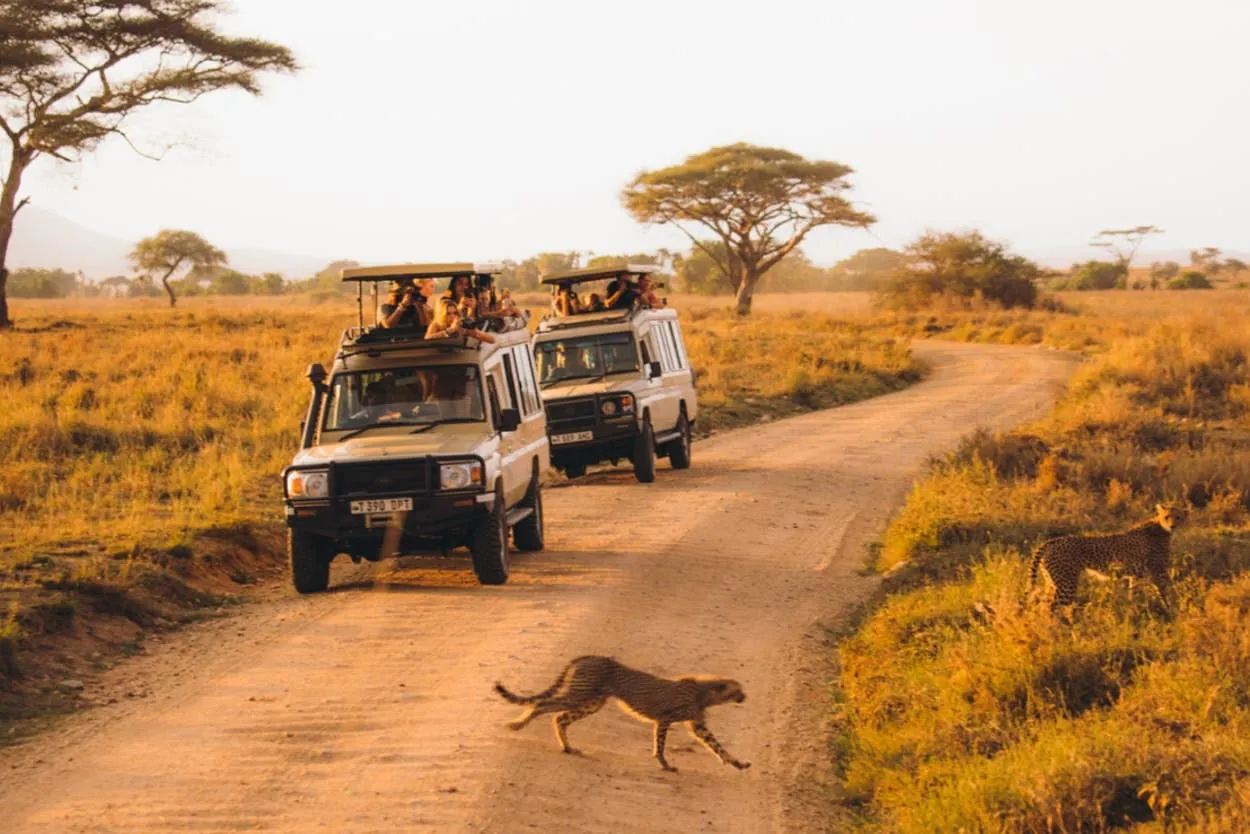
The Maasai Mara is a strong choice for first-time safari travellers because its open landscape can make wildlife easier to observe. Lions, cheetahs, elephants, buffalo, giraffes, zebra, wildebeest and antelope are among the animals guides may search for. Leopards and rhinoceroses are possible but can be harder to find.
Kenya’s official tourism website describes the Mara as a vast grassland known for the Big Five and the Great Migration. See the official Magical Kenya Maasai Mara guide for destination background.
The Mara suits travellers who want
- Several game drives in open savannah.
- Big-cat photography opportunities.
- A possible seasonal migration experience.
- A road or flight connection with Nairobi.
- A cross-border continuation toward Serengeti.
Two nights creates a compact visit, but three nights gives more flexibility for weather, wildlife movement and different reserve sectors. River crossings are unpredictable and should never be guaranteed.
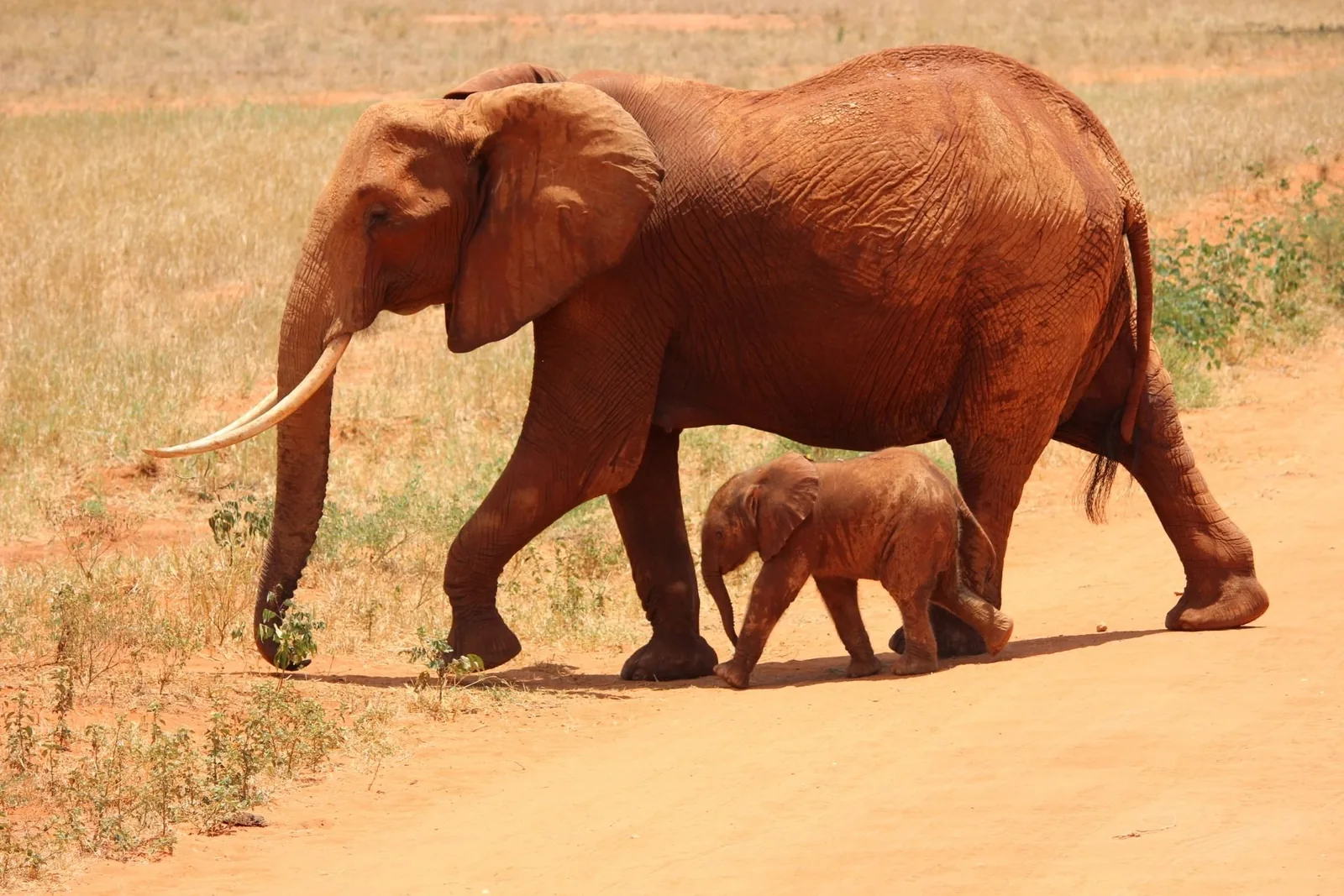
Choose Amboseli for elephants, wetlands and landscape photography
Amboseli National Park is especially appealing to travellers interested in elephant behaviour. The Kenya Wildlife Service describes the park as a premier destination for encounters with large elephant herds across grass plains, woodland, bushland, swamps and marshes. Read the official KWS Amboseli page.
Mount Kilimanjaro can appear beyond the plains when cloud and haze allow, but the mountain is not visible every day. Early mornings may provide favourable light and clearer conditions.
Amboseli suits travellers who want
- Time observing elephant families.
- Wetland and plains birdlife.
- Wide landscape compositions for photography.
- A route that can continue through Namanga into Tanzania.
- A southern Kenya combination with Tsavo.
Choose Lake Nakuru for a compact park with rhinoceros and birdlife
Lake Nakuru National Park offers lake, woodland, grassland and escarpment habitats within a relatively compact area. Kenya Wildlife Service identifies it as a destination for diverse habitats and activities including birdwatching and game drives. See the official Lake Nakuru page.
The park is important for rhinoceros conservation and may also offer giraffes, buffalo, waterbuck, primates and predators. Flamingo numbers change with water and food conditions, so historical images of very large concentrations should not be treated as a promise.
Lake Nakuru suits travellers who want
- A shorter park visit between Nairobi and the Maasai Mara.
- Rhinoceros and birdwatching opportunities.
- A varied landscape without a very large driving circuit.
- A combination with Lake Naivasha.
Choose Samburu for northern species and a contrasting landscape
Samburu National Reserve provides a different experience from southern Kenya’s grasslands. The Ewaso Ngiro River and surrounding dry country support elephants, predators and northern species often described as the Samburu Special Five: Grevy’s zebra, reticulated giraffe, gerenuk, Beisa oryx and Somali ostrich.
Samburu is valuable for repeat visitors and travellers who want to compare ecological adaptations. It is farther from Nairobi than several Rift Valley destinations, so two or three nights are more efficient than a rushed one-night stop.
Samburu suits travellers who want
- Northern species not normally central to a Mara itinerary.
- Riverine wildlife and dry-country scenery.
- A quieter route with two or more nights.
- A combination with Ol Pejeta or Mount Kenya.
Choose Ol Pejeta for conservation interpretation
Ol Pejeta Conservancy is suitable for travellers who want wildlife viewing combined with information about conservancy management and endangered-species protection. Activities beyond standard game drives, including sanctuary or night experiences, depend on current operating arrangements and should be confirmed separately.
Wildlife should never be sold as guaranteed
A destination increases opportunities; it does not create certainty. Weather, habitat, animal movement, road conditions and time all affect a game drive.
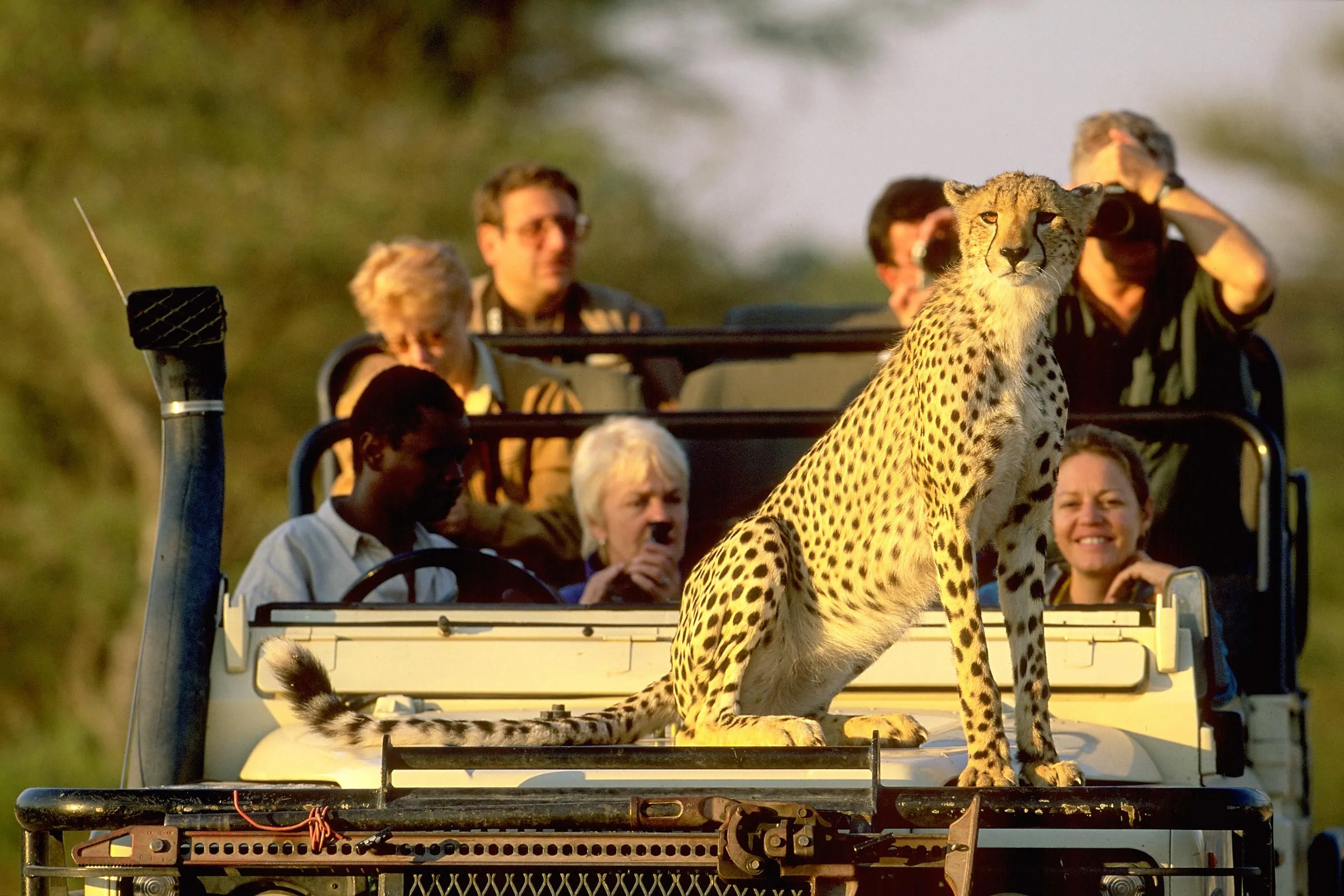
A professional guide uses tracks, calls, habitat knowledge and current information while maintaining responsible distance. Avoid itineraries that promise every member of the Big Five or a specific predator event within a short stay.
Match the route to the number of days
- Two to three days: choose one main destination, such as Amboseli or the Maasai Mara.
- Four to five days: combine two compatible areas, such as Maasai Mara with Lake Nakuru, or Samburu with Ol Pejeta.
- Six to eight days: include three ecosystems without changing accommodation every night.
- Nine days or more: add northern Kenya, Tsavo or a Tanzania extension with realistic transfer days.
Consider the people travelling
Families may prefer private vehicles, shorter drives and properties with flexible meal times. Photographers benefit from fewer seat rows, patient positioning and more nights in one area. Older travellers or guests with mobility needs should discuss vehicle access, room location and the length of road transfers before booking.
Build your safari
Review published tour packages for route ideas. Then use the enquiry form to tell the planning team your dates, preferred animals, photography interests, group size and accommodation level.