Kenya’s coffee and tea landscapes are excellent places to understand how field decisions influence flavour, quality, farmer income and export performance. The best farm tours do not stop after a walk through attractive crops. They follow the product through harvesting, processing, grading, tasting and market preparation.

Why coffee and tea visits should be treated as value-chain tours
A farm may produce excellent raw material but receive a poor result if harvesting, transport or processing is weak. A visitor therefore needs to see more than healthy plants. The learning route should show where quality is created, measured, protected and sometimes lost.
Kenya’s Coffee Directorate is responsible for developing, promoting and regulating the coffee industry, while the Tea Board of Kenya develops, promotes and regulates the tea sector. Their official resources provide useful background before a technical visit.
What visitors should learn on a coffee farm
1. Nursery and establishment
The visit can begin with seed selection, nursery hygiene, grafting or seedling care, field layout and replacement of unproductive trees. Ask how the farm chooses varieties and how those choices relate to disease, quality, altitude and rainfall.
2. Canopy, soil and crop management
Pruning affects light, airflow, productive wood and ease of harvesting. Soil fertility, mulching, shade, water conservation and pest monitoring influence both crop health and cherry development. Visitors should ask which observations trigger a farm action rather than only viewing the materials used.
3. Harvest quality
Selective picking is one of the clearest connections between labour and cup quality. Ripe cherries should be separated from green, dry or damaged fruit. A useful demonstration compares the physical differences and explains how payment systems encourage or discourage careful selection.
4. Wet processing and drying
Where facilities allow, the tour should cover reception, flotation, pulping, fermentation, washing, water management and drying. The host can explain how time, cleanliness, temperature, moisture and storage affect the result.
| Stage | Questions to ask | Quality risk |
|---|---|---|
| Harvest | How are ripe cherries selected and weighed? | Mixed maturity and damaged fruit |
| Pulping and fermentation | How are time, cleanliness and water controlled? | Unwanted flavours or incomplete mucilage removal |
| Drying | How often is coffee turned and moisture checked? | Uneven drying, mould or storage damage |
| Grading and roasting | How are defects identified and profiles selected? | Inconsistent lots and poor flavour development |
For a route near Nairobi, explore Kiambu Coffee Farms and the wider Kenya farm-tour collection.
What visitors should learn on a tea estate or smallholder route
Field conditions and plucking standards
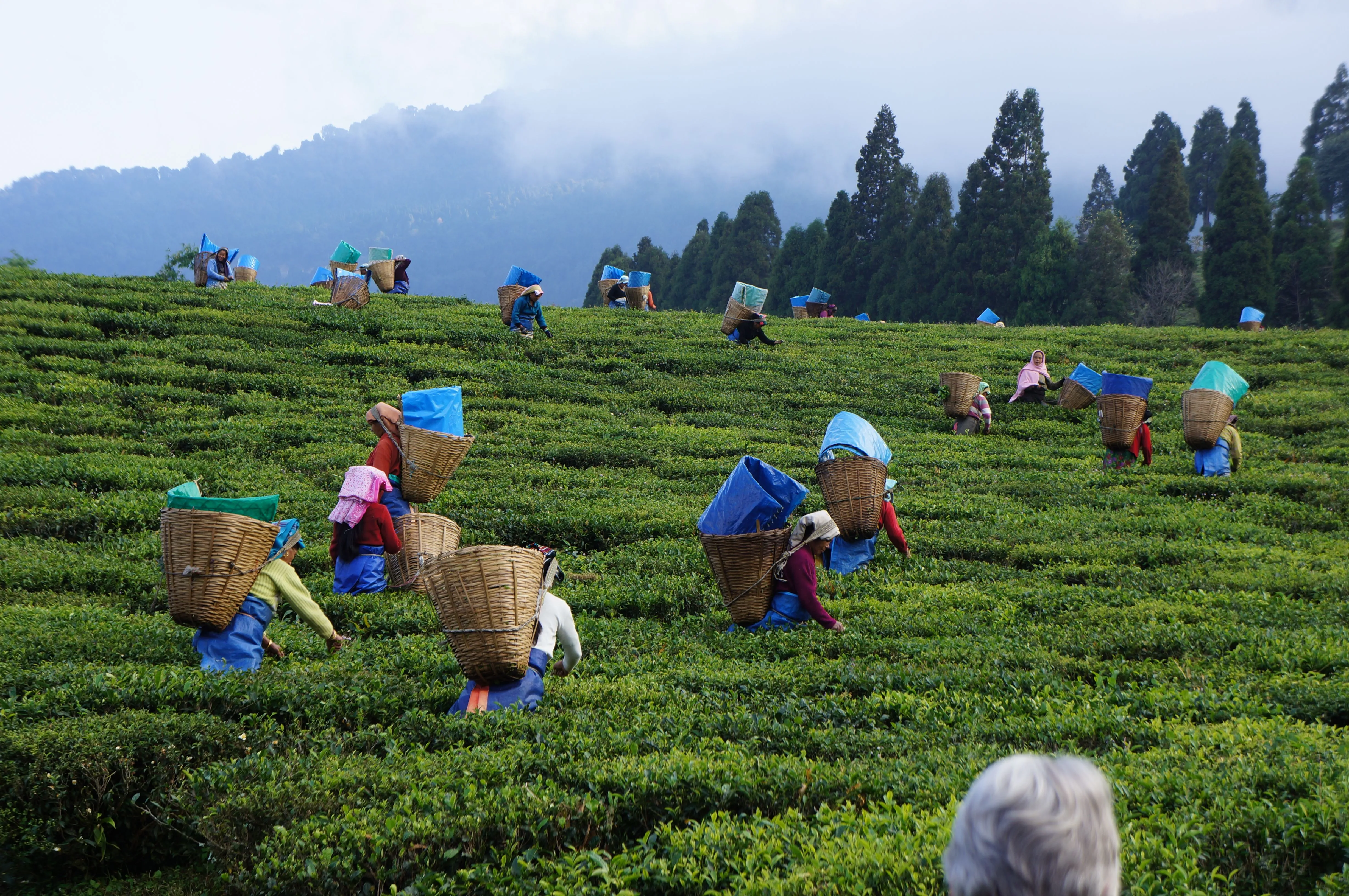
Tea quality begins with suitable growing conditions, healthy bushes and consistent plucking. The Tea Board explains that Kenya’s tea is concentrated in highland areas, including regions around Mount Kenya, the Aberdares, Kericho and Kisii. A guide should explain why altitude, soil, rainfall and temperature matter without suggesting that one factor alone determines quality.
Visitors can learn how the plucking table is maintained, how workers identify suitable shoots and why collection speed matters after leaf is removed from the bush.
Factory processing
Factory access is controlled for food safety and operational reasons. Where permission is granted, a black-tea programme may explain:
- Leaf reception and weighing: recording quantities and checking green-leaf quality.
- Withering: reducing moisture and preparing the leaf for further processing.
- Rolling or cutting: disrupting leaf structure according to the product style.
- Oxidation: managing time and conditions that influence colour and flavour.
- Drying: stabilising the product.
- Sorting and grading: separating particles and preparing consistent lots.
- Quality evaluation: examining appearance, aroma, strength and other characteristics.
Coffee and tea are different learning experiences
| Topic | Coffee visit | Tea visit |
|---|---|---|
| Harvest | Seasonal cherry picking, often selective | Repeated plucking rounds during active growth |
| Immediate quality concern | Cherry maturity and processing discipline | Shoot standard and rapid delivery of fresh leaf |
| Processing access | Small wet mills may allow close demonstrations | Factories commonly require formal permission and stricter controls |
| Tasting | Cupping can compare lots and roast profiles | Tea tasting can compare grades, origins and processing results |
Questions for farmers, cooperatives and processors
- How are farmers paid for quality rather than quantity alone?
- Which defects cause the largest financial loss?
- How are water, energy and processing waste managed?
- What records connect a finished lot with the farms that supplied it?
- How are workers trained in harvest and hygiene standards?
- Which market requirements are hardest for small producers to meet?
- Which value-added products have a reliable market?
Seasonality and honest expectations
Visitors should not be promised live harvesting or factory activity without checking the production calendar. Coffee flowering, cherry development and harvest timing vary by region and season. Tea fields may be active through much of the year, but factory schedules and access still change.
A good itinerary states what is confirmed, what is seasonal and what will be demonstrated if live production is unavailable.
Responsible participation
Follow the host’s rules on footwear, hand washing, movement and photography. Do not remove seedlings, leaves, cherries, soil or processing samples without permission. Buying approved products from the farm, cooperative or processor can support the host, but purchases should remain optional.
Combining coffee and tea with other agricultural visits
A multi-day route can connect coffee near Nairobi or Nyeri with tea, dairy, horticulture and farm-to-table learning. The Mount Kenya and Nyeri highlands guide provides useful regional context. Travellers interested in a broader programme can browse all tours and safaris or submit a custom itinerary request.