A Kenya and Tanzania safari can combine the Maasai Mara, Serengeti, Ngorongoro, Amboseli, Tarangire and Rift Valley lakes within one journey. The route looks simple on a map, but a successful cross-border itinerary depends on immigration requirements, border operating procedures, vehicle arrangements, road conditions and the amount of time protected for game drives.
Start with the ecosystems you want to compare
Do not begin by trying to include every famous park. Choose two or three major learning or wildlife themes:
- Big cats and open plains: Maasai Mara and Serengeti.
- Elephants and wetlands: Amboseli and Tarangire.
- Rhinoceros and conservation: Lake Nakuru, Ol Pejeta and Ngorongoro.
- Seasonal migration: the appropriate part of the Serengeti–Mara ecosystem.
- Birdlife and varied habitats: Rift Valley lakes, Amboseli, Tarangire and Lake Manyara.
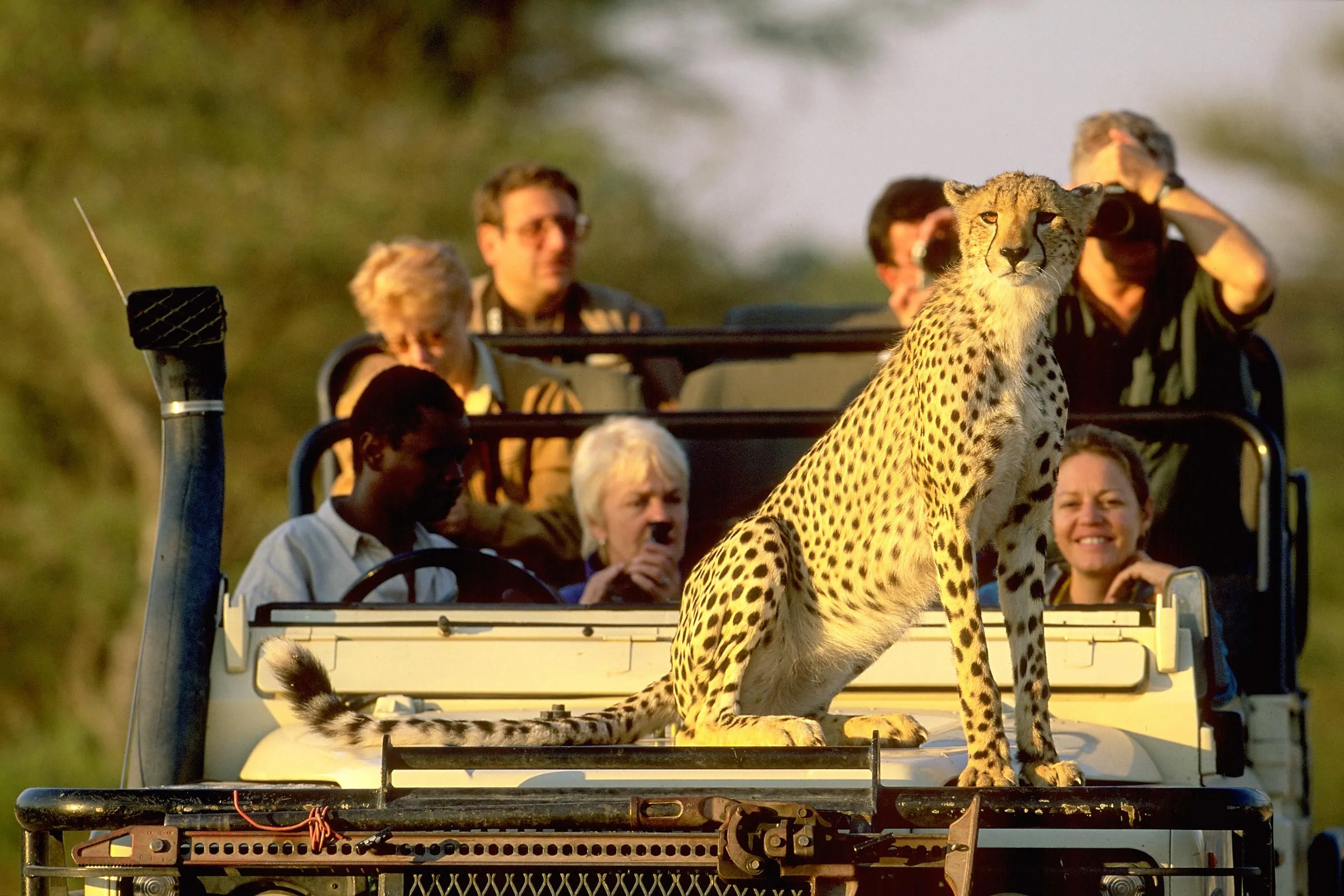
Browse the classic wildlife safari collection before choosing the parks. Destination guides for the Maasai Mara, Serengeti National Park and Ngorongoro Crater explain the main characteristics of each area.
Understand how the Kenya–Tanzania transfer works
Crossing an international border is not the same as driving between two national parks in one country. Depending on the route and current operating arrangements, travellers may complete immigration and customs formalities, change guides or vehicles, and continue by a different road from the one that appears most direct on a general map.
The most common planning patterns include:
- Namanga crossing: useful for Nairobi or Amboseli to Arusha and Tanzania’s northern circuit.
- Western transfer between the Mara and Serengeti regions: useful for migration-focused itineraries but operational procedures and driving times must be confirmed.
- Flight connection: useful when a long road transfer would remove too much wildlife-viewing time.
Your final itinerary should state where immigration is completed, whether a vehicle or guide handover is expected, which company is responsible on each side, and what happens if border or road delays affect the day.
Check travel documents only through official channels
Entry rules can change. Travellers should check nationality-specific requirements before paying for non-refundable services. Kenya’s official Electronic Travel Authorisation website provides current application and eligibility information. Tanzania’s official electronic visa system and Immigration Department provide visa and entry guidance.
Use official government websites. A tour company can provide planning support, but it cannot guarantee entry or replace an immigration decision.
Choose a duration that matches the route
| Route concept | Practical duration | Planning note |
|---|---|---|
| Amboseli, Tarangire, Serengeti and Ngorongoro | Seven to nine days | Namanga provides a logical border connection. |
| Maasai Mara, Serengeti and Ngorongoro | Six days at a very fast pace; eight or more is better | Protect time for the border transfer and at least two major wildlife areas. |
| Lake Nakuru, Maasai Mara, Serengeti, Ngorongoro and Tarangire | Ten to twelve days | A balanced route with lake, plains, crater and elephant habitats. |
| Samburu, Ol Pejeta, Maasai Mara and Tanzania northern circuit | Twelve days or more | Northern Kenya adds substantial road distance. |
Build the day around light and wildlife, not hotel checklists
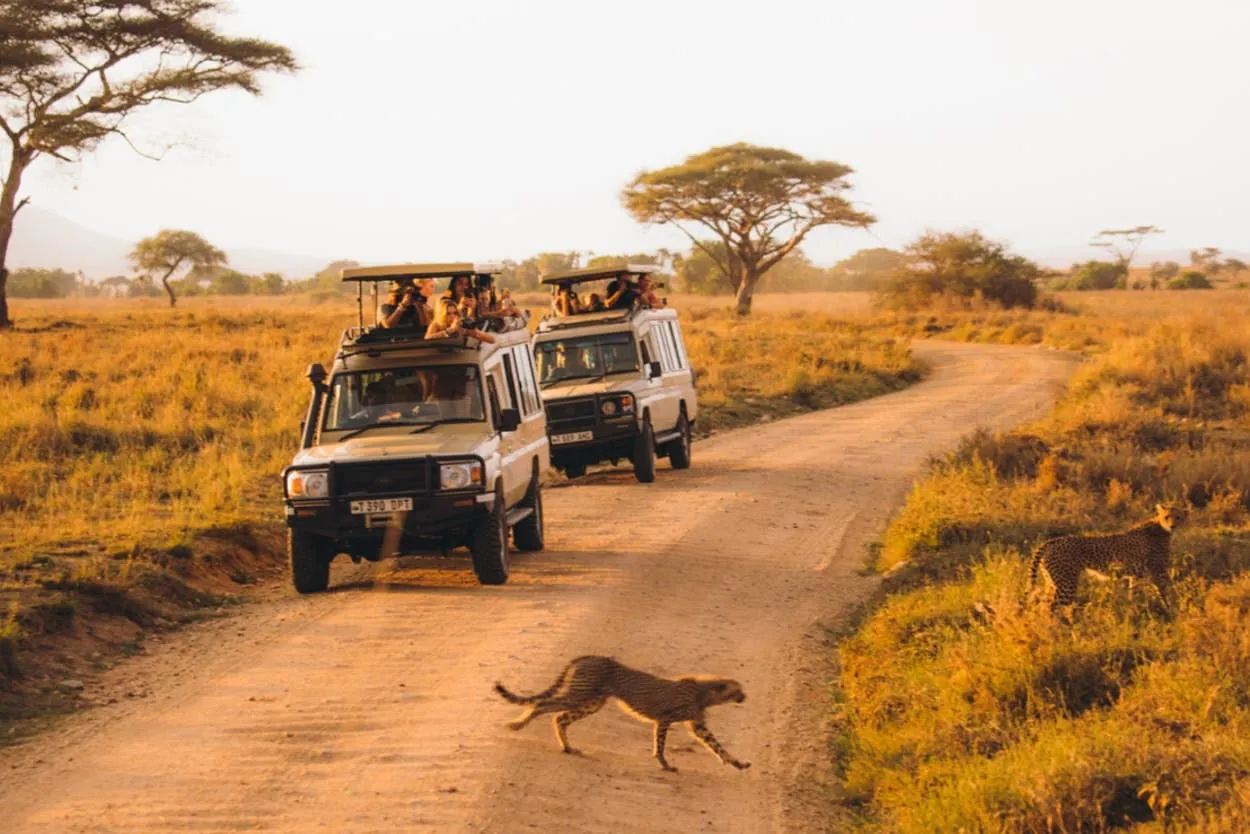
Early morning and late afternoon are often productive times for wildlife viewing and photography. A poor itinerary places every transfer after breakfast and reaches the next park when the useful light is ending. A better plan identifies which days are dedicated game-drive days and which are primarily transit days.
Questions to ask about each day
- How many hours are expected on normal roads and park tracks?
- What time must the vehicle leave to reach the gate or border?
- Is lunch at the lodge, a picnic or on the road?
- Will the group arrive with time for a game drive?
- What is the alternative if rain, traffic or border processing causes delay?
Use migration information carefully
The Serengeti and Maasai Mara are parts of one wider ecosystem. UNESCO describes Serengeti National Park as the heart of the larger migration ecosystem and notes its ecological connection with the Maasai Mara. The UNESCO Serengeti profile is useful for understanding that system. The Ngorongoro Conservation Area profile explains the highlands, crater and southern plains.
Rainfall and grazing influence herd movement. No ethical operator should guarantee a river crossing, birth, hunt or close predator encounter. A seasonal itinerary should identify the region most likely to be relevant while retaining flexibility.
Decide whether road travel or internal flights suit your group
Road travel allows participants to see changes in landscape and settlement, and it can be more economical for a private group. Flights save time on long sectors and can protect wildlife-viewing days. The correct choice depends on:
- Group size and luggage.
- Budget and accommodation level.
- Mobility and tolerance for long drives.
- Seasonal road conditions.
- The value of the wildlife time that would otherwise be lost.
Confirm what is included on both sides of the border
A cross-border quotation should clearly list:
- Accommodation and meal basis for every night.
- Park, reserve, conservancy and crater fees.
- Vehicle type and seating arrangement in each country.
- Guide language and guide-change procedure.
- Border transfer assistance.
- Airport or hotel collection and final transfer.
- Optional balloon flights, community visits, walks and boat activities.
- What happens if a flight or border delay changes the programme.
Allow a buffer before the international flight home
Do not plan a long road transfer from a remote park to connect with an inflexible international departure unless the timing has a safe margin. A final night in Nairobi or Arusha can reduce stress and provide room for normal road, weather or operational delays.
Request a route based on your priorities
Tell the planning team which animals, landscapes and activities matter most, your preferred travel month, group size, accommodation level and whether you prefer road or flight connections. Use the safari enquiry form to request a route with realistic border and travel days.