Farm tourism gives visitors access to working places where animals, crops, food, employees and commercial information must be protected. A responsible guest follows the host’s biosecurity rules, avoids interfering with production and treats wildlife as wild. These habits protect the farms and destinations that make agricultural and nature travel possible.
What biosecurity means for a visitor
Biosecurity consists of measures that reduce the chance of introducing or spreading pests and disease. Visitors can carry soil, manure, plant material and microorganisms on shoes, clothing, vehicles, equipment and hands even when they do not see contamination.
The World Organisation for Animal Health recommends controlled access, visitor procedures, clean clothing or footwear and records of people and vehicles entering animal establishments. Its key biosecurity principles emphasise segregation, cleaning and disinfection.
Before the farm visit
- Disclose recent farm contact: tell the organiser if you recently visited livestock, poultry, fish or crop-production sites, especially in another country or an area with a disease outbreak.
- Bring clean footwear: remove visible soil and organic material before travel. The host may require farm-provided boots or disinfection.
- Wear practical clothing: closed shoes, long trousers and washable outerwear are normally more suitable than open footwear or loose accessories.
- Leave unnecessary equipment behind: tripods, bags and tools can complicate movement and sanitation.
- Confirm health and access requirements: livestock and food facilities may restrict entry during disease-control events or production changes.
At the farm entrance
Do not walk directly into production areas. Use the designated entrance, park where directed and sign the visitor record when required. Wait for a host or employee before moving beyond the reception area.
| Risk | Visitor action | Reason |
|---|---|---|
| Soil or manure on footwear | Clean first and use the host’s disinfection or farm boots | Organic material can protect pathogens from disinfectant |
| Moving between livestock units | Follow the host’s route and do not enter restricted pens | One-way movement reduces cross-contamination |
| Touching animals | Only touch when invited and wash hands afterward | Protects animals and visitors |
| Photography in processing areas | Ask before taking photographs or video | Protects privacy, food safety and commercial information |
| Removing samples | Take no soil, plants, seed, feed or animal products without permission | Prevents pest movement and respects legal controls |
Follow the clean-to-dirty principle
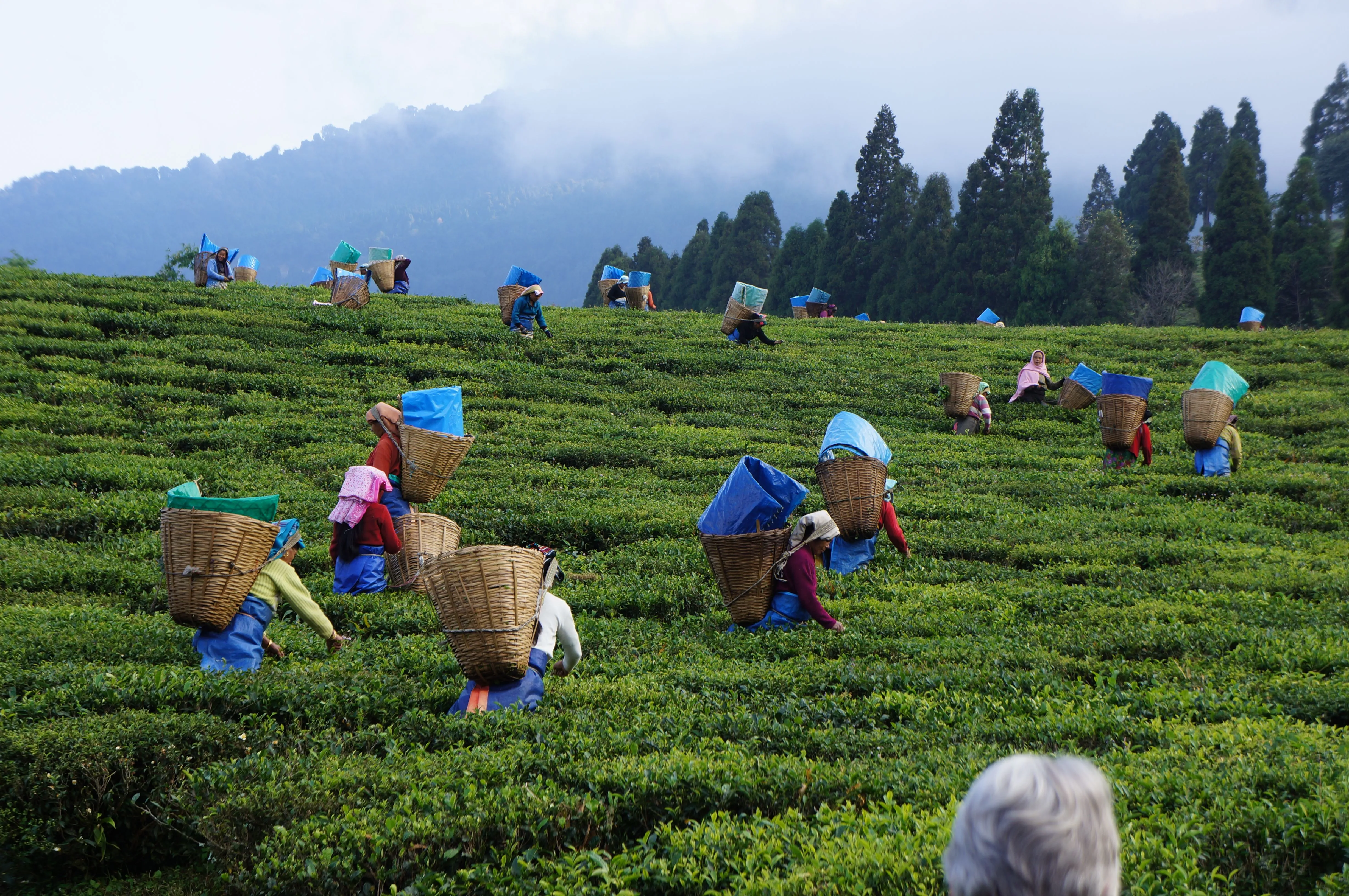
Many farms organise movement from younger, healthier or more sensitive animals toward older or higher-risk areas. Greenhouses may move visitors from clean propagation sections toward general production. Do not reverse the route or return to an earlier area unless the host permits it.
When visiting several farms in one day, the organiser should consider visit order, cleaning time and whether separate footwear or protective clothing is required. Poultry and pig units commonly need stricter separation than an open crop field.
Food safety and tasting
- Eat only products offered through the approved programme.
- Wash or sanitise hands before tasting.
- Do not enter food-processing rooms when sick.
- Follow hair covering, jewellery and protective-clothing rules.
- Tell the organiser about allergies and dietary requirements in advance.
- Do not assume raw milk, eggs, fruit or other products can be consumed without the host’s approval.
Animal welfare during educational visits
A visitor should not create a demonstration that would not otherwise be necessary. Avoid loud noise, chasing, crowding, flash photography near sensitive animals or asking workers to repeatedly handle animals for photographs. The guide should stop an activity when animals show stress or when the host changes access instructions.
The purpose of a farm visit is to observe and learn from normal, responsible management—not to turn animals or workers into props.
Photography, people and commercial privacy
Ask permission before photographing workers, children, documents, screens, machinery settings, animal records, processing controls or branded packaging. A farm may welcome landscape photographs while restricting production details.
When permission is given, captions should describe the visit accurately. Do not identify a private host or publish sensitive production information unless that use has been agreed.
Responsible wildlife viewing
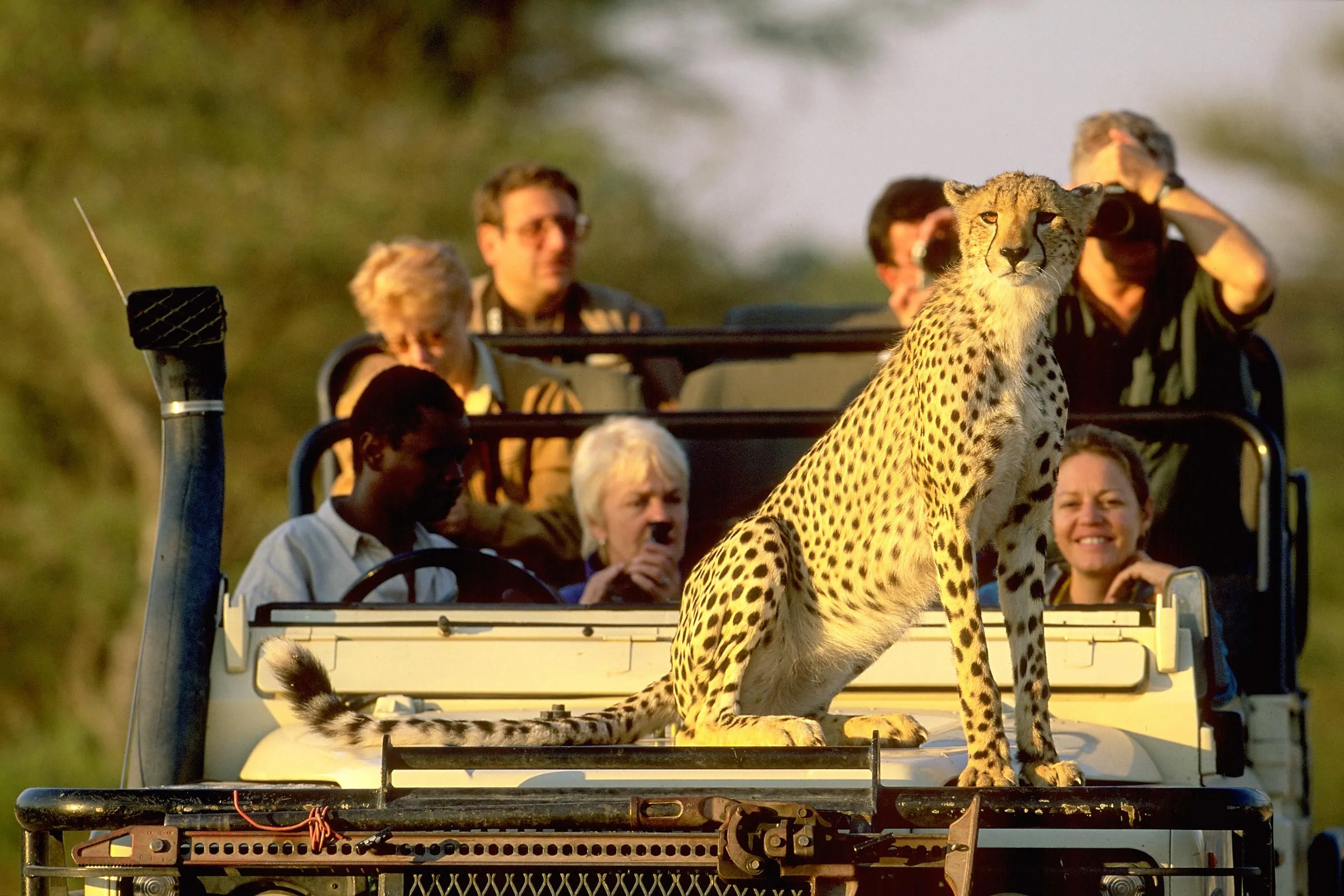
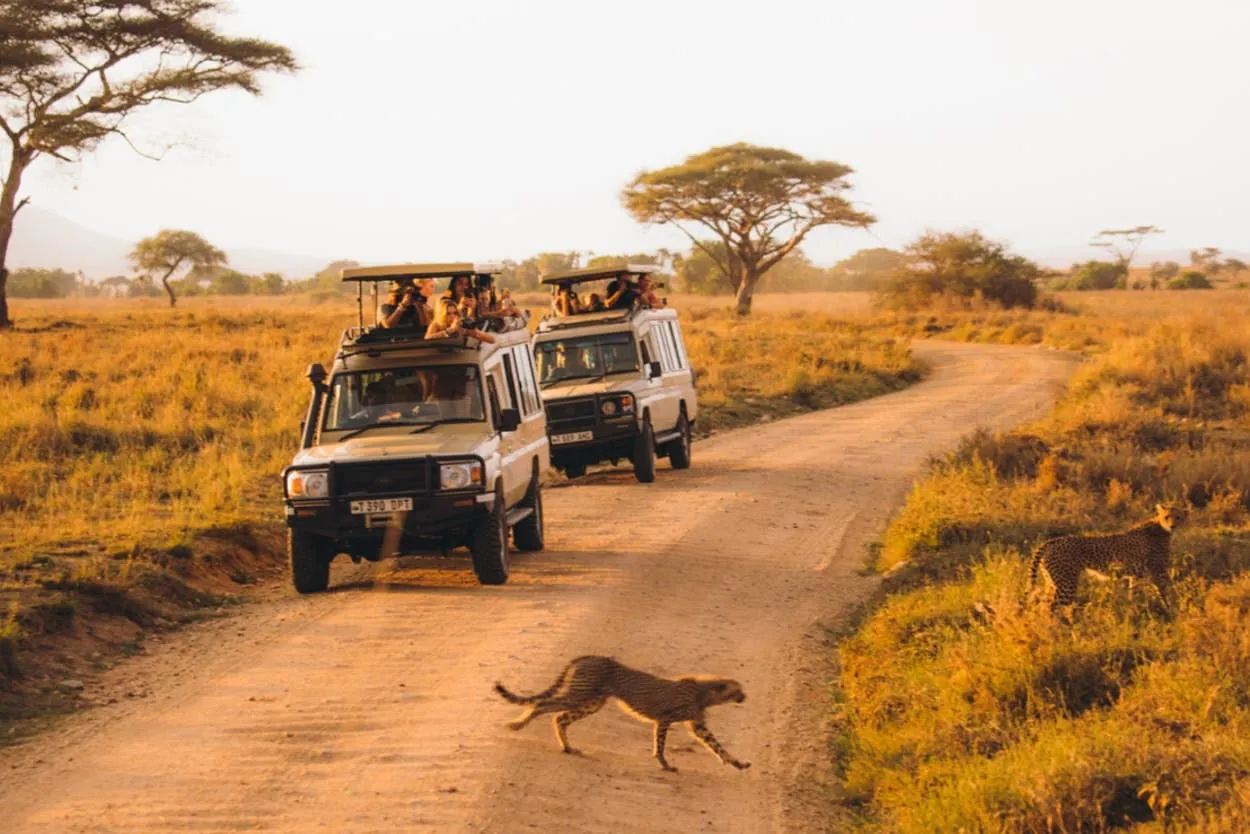
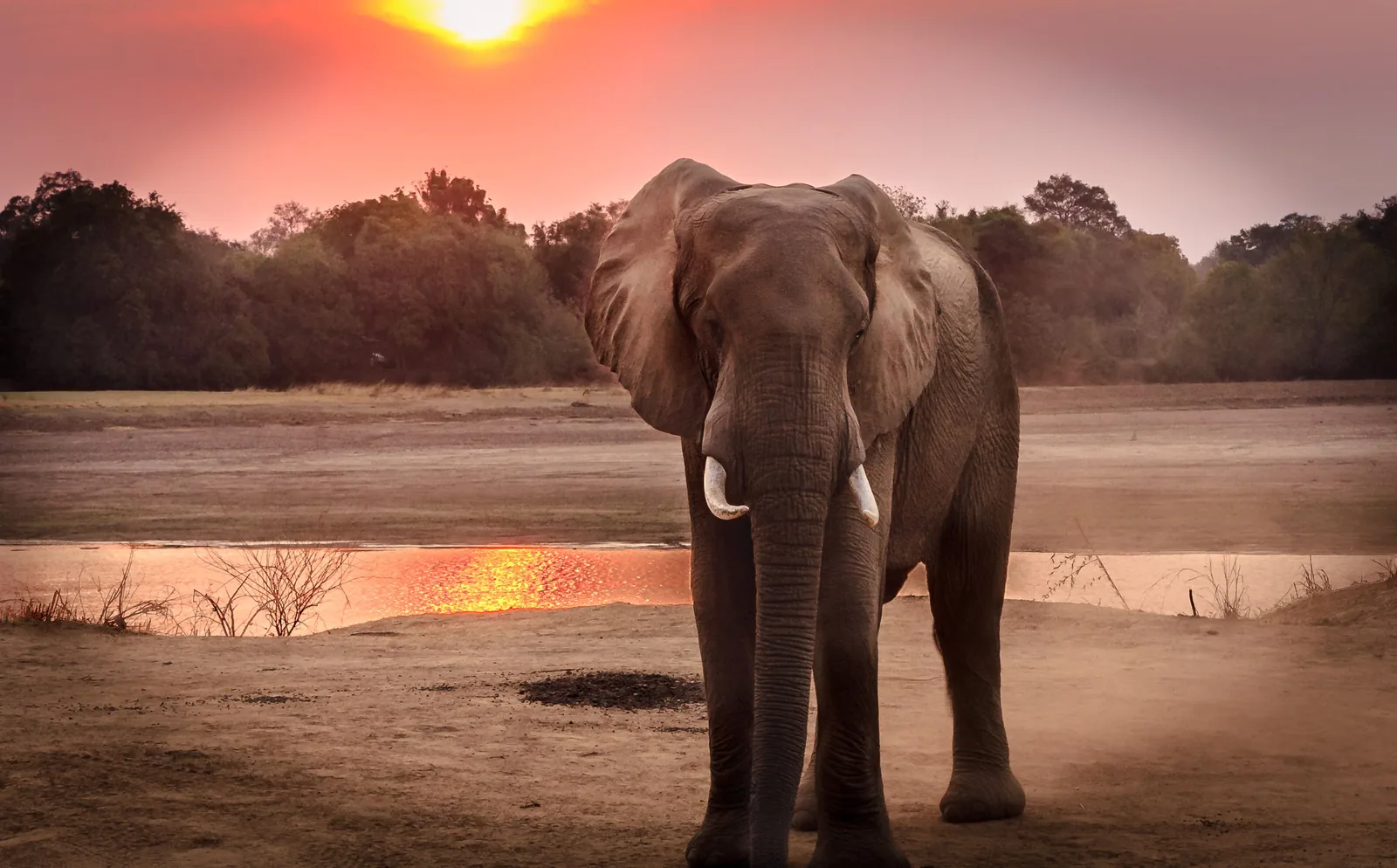
Protected-area rules and guide instructions apply throughout a safari. The Kenya Wildlife Service park directory provides official destination information. General visitor principles include:
- Remain in the vehicle or designated area unless the guide confirms that leaving is permitted.
- Do not feed wildlife.
- Keep noise low around animals.
- Never request the guide to block, chase or crowd an animal.
- Keep a responsible distance and allow animals an escape route.
- Take litter out of the park or use approved disposal points.
- Respect gate, road and off-road rules.
- Accept that no sighting is guaranteed.
Combining farm and wildlife days
Farm footwear and clothing should not automatically move into conservation areas or the next livestock property. Keep clean and used items separate in labelled bags. The tour vehicle should have a simple plan for cleaning footwear and safely storing protective equipment.
Browse Kenya farm and agro tours, international agricultural tours and wildlife safaris to see how different visit types can be combined.
Visitor checklist
Pack
- Closed, clean footwear.
- Washable clothing and a light rain layer.
- Sun protection and refillable drinking-water container.
- Personal medication and allergy information.
- A notebook or clean electronic device.
- Separate bags for clean and used footwear.
Confirm with the organiser
- Recent-farm-visit declaration.
- Protective equipment supplied by the host.
- Photography rules.
- Accessibility and walking surfaces.
- Food tasting and allergies.
- Age restrictions for children.
- Any current animal-health or crop-health restrictions.
When a visit should be changed
A farm can cancel or restrict access because of disease risk, weather, food-safety work, animal welfare, harvesting pressure or commercial operations. A responsible itinerary includes an alternative farm, presentation, processor or research visit instead of pressuring the host to accept the group.
Plan a responsible programme
Use the enquiry form to describe your group, recent agricultural travel, technical interests and any accessibility needs. The planning team can then approach hosts with accurate information and build appropriate cleaning and movement procedures into the route.