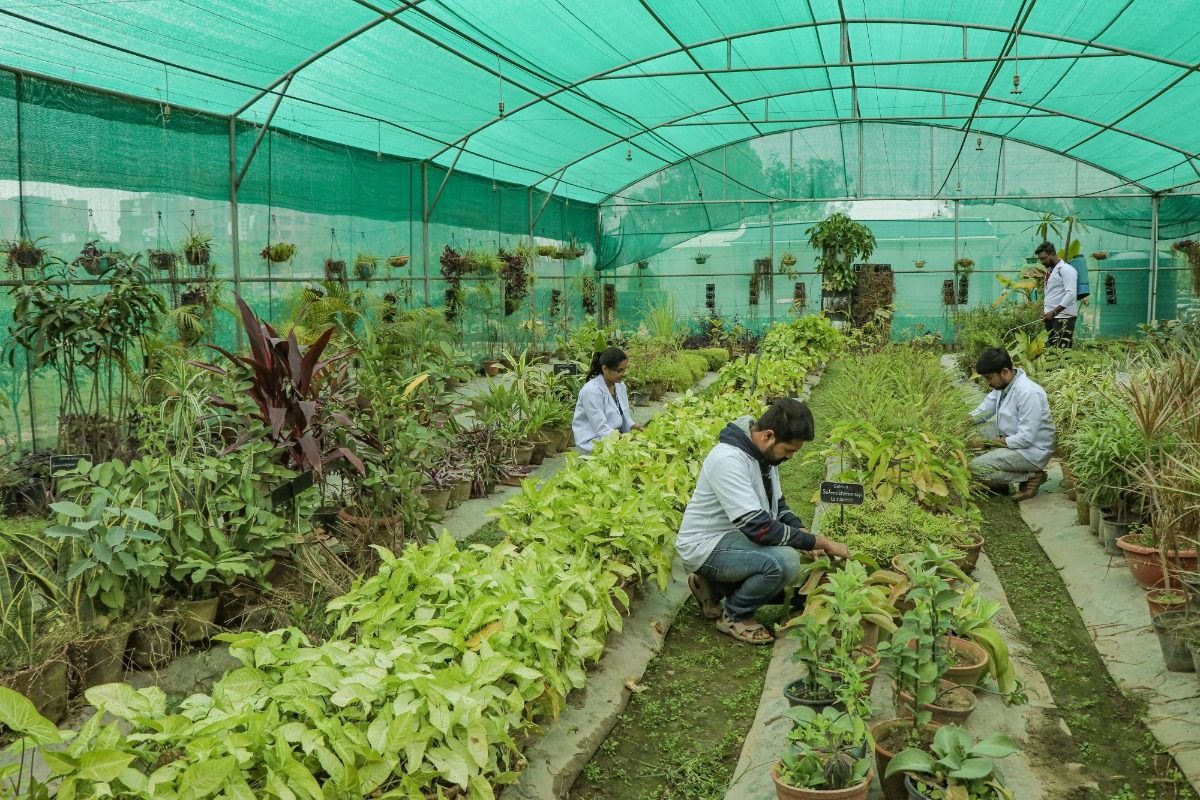
An agricultural study tour should be more than a sequence of farm visits. A useful programme connects the group’s learning goals with suitable hosts, realistic travel times, technical discussion and a plan for applying the lessons after the journey. Kenya is especially suitable for this approach because a single route can include coffee, tea, dairy, horticulture, aquaculture, livestock, agricultural research and conservation.
Begin with a learning question, not a destination list
Many groups begin by saying that they want to visit “modern farms.” That description is too broad to guide host selection. A dairy cooperative, greenhouse company, agricultural university and smallholder demonstration farm can all be modern, but each answers a different question.
Before choosing locations, identify the decisions participants need to make after the tour. Examples include:
- Improving milk hygiene and cooling before cooperative collection.
- Comparing greenhouse structures, irrigation and crop-protection systems.
- Understanding coffee quality from field management through washing and grading.
- Assessing whether aquaculture can complement an existing crop or livestock enterprise.
- Learning how producer organisations manage records, finance, aggregation and market access.
| Participant group | Main question | Useful host combination | Expected output |
|---|---|---|---|
| Dairy farmers | How can milk quality and feed efficiency improve? | Commercial dairy farm, feed specialist and processor | A practical herd, feed and hygiene action plan |
| Horticulture students | How do protected-cropping systems work as one business? | Greenhouse, packhouse, irrigation supplier and market | A production-to-market system map |
| Cooperative leaders | How can members receive better services and market access? | Cooperative, processor, financial partner and regulator | A governance and member-service checklist |
| International delegation | Which Kenyan innovations are suitable for partnership? | Research institution, farms, agribusinesses and public agencies | A partnership and follow-up programme |
Choose a route that protects learning time
A route is effective when it gives participants enough time to observe, ask questions and compare systems. Long road transfers can reduce a technical programme to hurried photographs. A well-paced Kenya itinerary normally concentrates related visits within one region before moving to the next.
A practical central Kenya structure
- Nairobi orientation: group briefing, safety, agricultural context and final confirmation of objectives.
- Kiambu or Limuru: coffee, tea, vegetables, farm meals and value-addition discussion.
- Naivasha: greenhouse horticulture, floriculture, aquaculture or integrated farming.
- Nyeri and Mount Kenya highlands: dairy, coffee, tea, livestock, irrigation, beekeeping and training farms.
- Closing workshop: compare observations, identify realistic actions and assign follow-up responsibilities.
Explore the site’s Kenya farm and agricultural tours, the Kiambu coffee-farm destination guide, Lake Naivasha and the Mount Kenya and Nyeri highlands when building a route.
Use different types of hosts
One outstanding farm cannot explain an entire value chain. A balanced programme combines several perspectives:
- Commercial farms demonstrate production, labour, records and business decisions.
- Smallholder farms show how methods are adapted to limited land, capital and labour.
- Processors and packhouses explain quality standards, losses, traceability and buyer requirements.
- Cooperatives and producer groups show aggregation, services, governance and market access.
- Research and training institutions connect practical observations with tested recommendations.
- Public agencies explain regulation, crop standards and sector development.
Useful external starting points include the Kenya Agricultural and Livestock Research Organization, the Agriculture and Food Authority and the Tea Board of Kenya. These links help a group understand the institutional environment, but every meeting still requires direct confirmation.
Ask hosts for systems, not performances
A technical visit is most valuable when the host explains normal operations, including limitations and unsuccessful trials. Encourage participants to ask questions that reveal how the enterprise works:
- Which records are reviewed every day, week and month?
- What are the largest production costs?
- Which quality failures cause rejection or lower prices?
- How are water, soil fertility, animal health or crop protection monitored?
- Which technology has delivered value, and which investment has disappointed?
- How are workers trained and how is safety managed?
- What changes would the host make if starting again?
The goal is not to copy a farm exactly. It is to understand the principles, costs and conditions behind the results.
Plan biosecurity and visitor behaviour before arrival
Livestock, poultry, aquaculture and controlled-environment farms may restrict visitors to protect animal and plant health. Ask about recent farm visits, clean footwear, protective clothing, hand washing, vehicle access, photography and movement between production areas. A group that ignores these rules can lose access to later hosts and create real disease risks.
Provide participants with a written visit protocol before travel. The protocol should state that the host’s instructions take priority, animals must not be fed or touched without permission, and no plant material, soil or farm product should be moved between sites unless authorised.
Build reflection into every day
Participants remember more when each visit ends with a short structured review. Use three questions:
- What did we observe?
- Why does it work in this location and business?
- What should we investigate or test in our own context?
For professional groups, assign different members to track production, finance, labour, environment, technology and market information. Their notes can be combined during the closing workshop.
Measure results after the tour
The value of a study tour appears after participants return home. Agree on simple follow-up measures before departure:
- Practices selected for testing.
- People responsible for each trial.
- Information or quotations still required.
- A realistic implementation date.
- Indicators such as yield, quality, labour time, cost, mortality, water use or rejection rate.
- A review meeting after one, three or six months.
Information needed for a customised programme
When requesting a quotation, provide the group size, participant background, preferred dates, learning priorities, accommodation level, language needs, mobility requirements and approximate budget. This allows the planning team to approach suitable hosts rather than sending a generic itinerary.
Use the trip enquiry form to request a technical route. Include the three most important questions your group wants the tour to answer.